
 Back to blog
Why recruiting is more than closing job openings: hiring creative talent without breaking a system
March 3, 2026
 6 min read
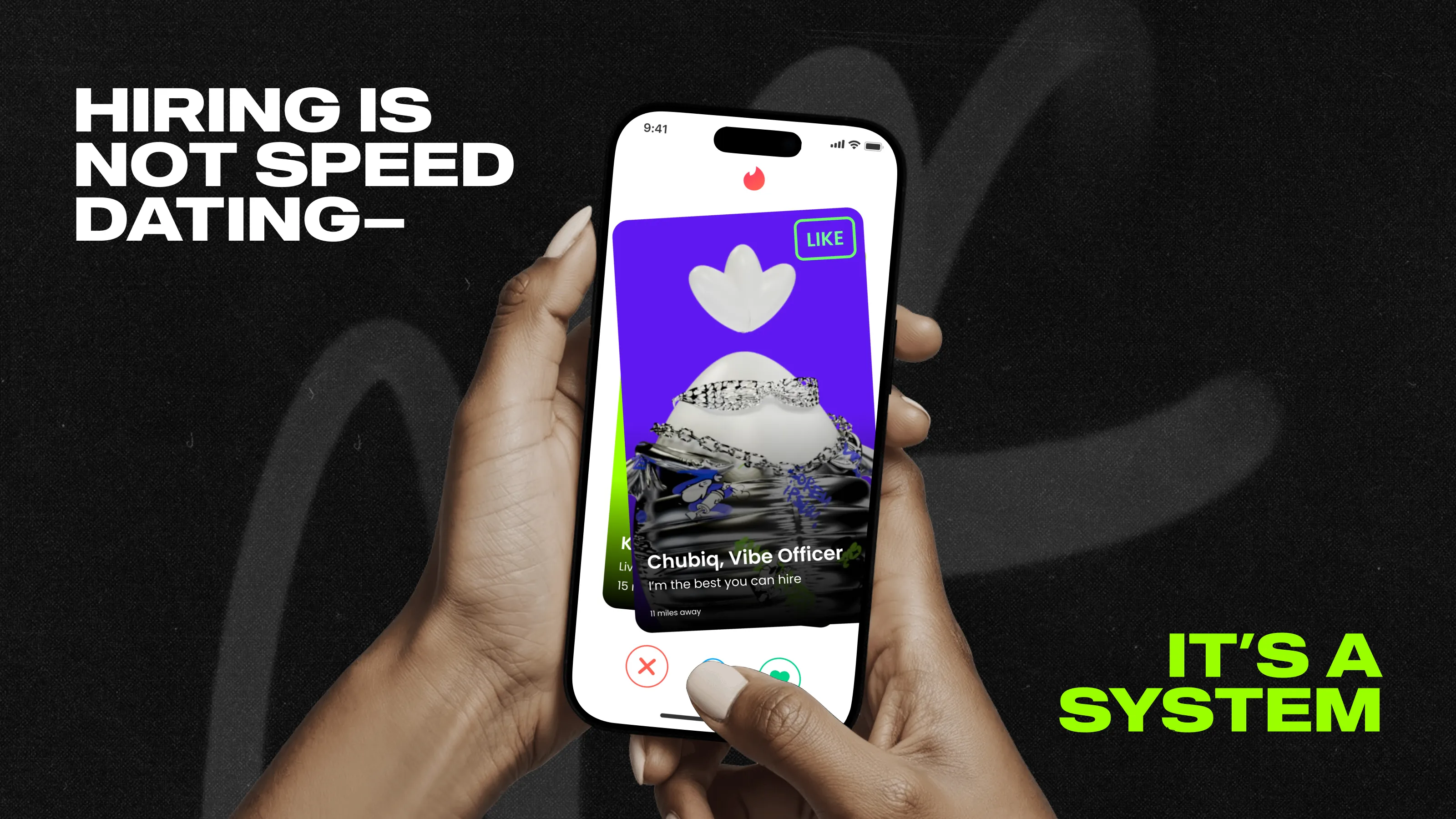
Creative orgs love to talk about ideas, aesthetics, and bold thinking. But the real leverage point isn’t in the pitch deck—it’s in who you let into the room.
Hiring for Qream is not an HR procedure. We treat it as a structural design: every person you bring into a team changes the speed of decision-making, the tolerance for the average, and how ideas are polished. And that influences operational reality.
A great hire boosts the system. A wrong one doesn’t just underperform; it introduces disagreement that grows. We gathered some insights on the bottlenecks of recruitment in creative industries—here’s what you should know.
Long-term hiring consequences
A vacancy can be closed in a month, but the impact of that decision can shape a company for years.
In many orgs, hiring is measured by operational KPIs: time to hire, number of roles filled, and time to start. These metrics matter, but they focus on completion rather than consequences. The more important question is rarely discussed: what will this decision look like 6 or 12 months from now?
Creative teams are particularly sensitive to hiring misalignment. A highly skilled specialist can unintentionally disrupt a team that was functioning well. A candidate who performs confidently in interviews may struggle in an environment with constant feedback and shifting priorities. Someone who appears adaptable on paper may resist collaboration once stuck in daily workflows.
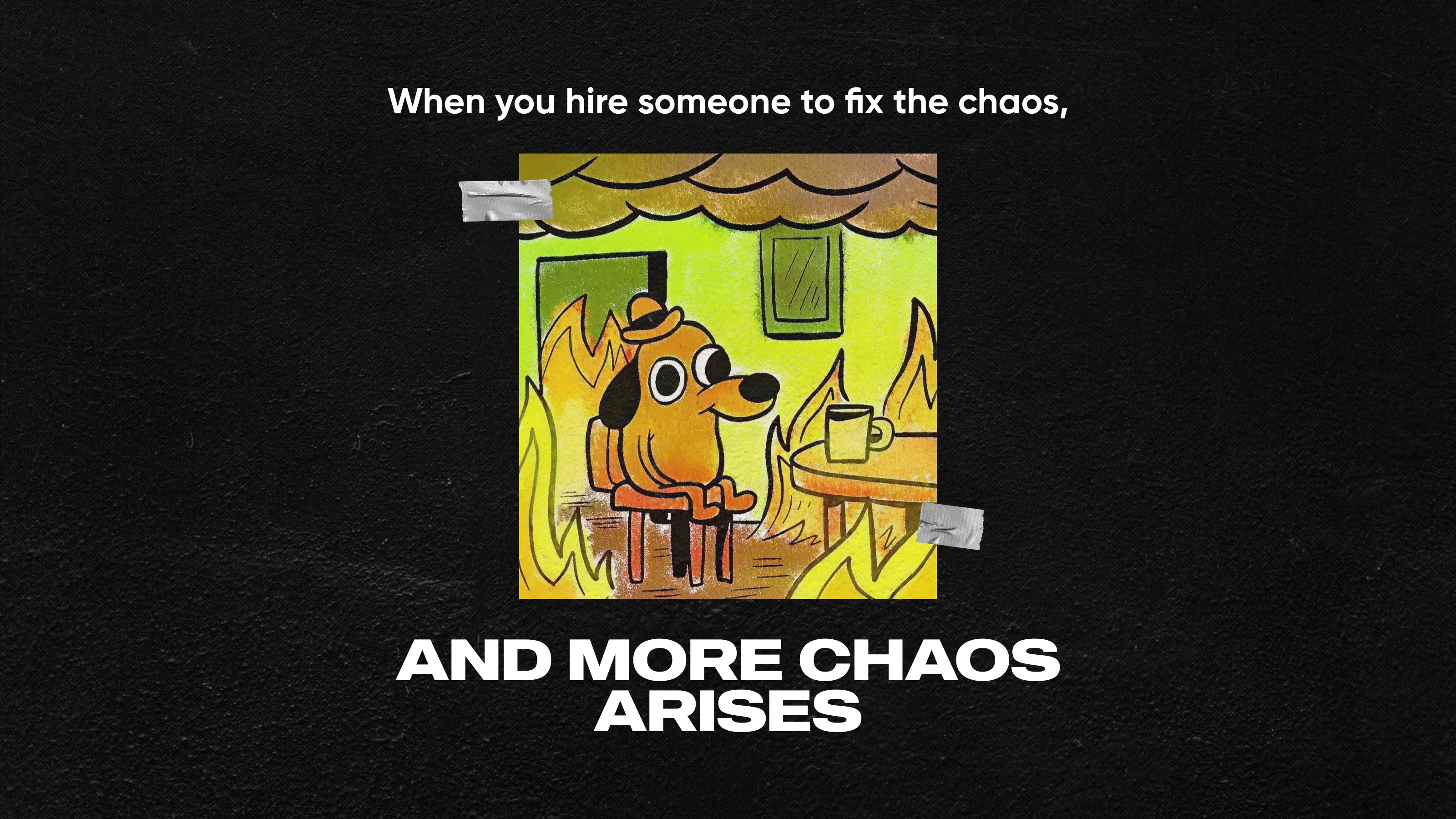
These outcomes are often framed as individual weaknesses. “They weren’t a fit” is the usual summary. In reality, misalignment is more structural than personal. When someone burns out, disengages, or creates ongoing friction, it typically signals that expectations were not fully transparent. The actual pace of work wasn’t demonstrated, or company values were described aspirationally rather than operationally.
In those situations, the issue is not that a person failed to adapt. It’s that the system did not accurately present itself or properly evaluate compatibility.
Hiring is often treated as a transaction. In practice, it is an architectural decision that defines how trust circulates, how conflict is resolved, and how creative energy is sustained.
The hidden cost of a “good on paper” hire
In creative environments, talent is rarely the issue. Most hiring mistakes don’t happen because someone lacked skills but because the company misread how that person works under pressure, responds to feedback, or handles conflicts.

There are 3 things that create long-term tension (in agencies, especially):
01 Pace mismatch
Some creatives thrive in controlled, deep-focus environments. Others operate best in fast-moving, high-iteration settings. Neither is better. But when the pace is misaligned, burnout or frustration is unavoidable.
02 Feedback metabolism
Creative work lives on critique. If someone interprets feedback as a threat rather than an opportunity for improvement, it can lead to emotional fatigue across the team.
03 Ego ratio
Senior creatives with strong vision are powerful. But if that vision overlaps with existing collaboration structures rather than strengthening them, the team destabilizes.
None of this is visible in a portfolio. That’s why hiring creative talent requires a different lens than hiring purely technical roles.
The perfect hire looks discreet
One of the strongest signals of a healthy hire is not visibility but stability. Usually, the best additions to a team are not the loudest or the most disruptive—they’re the ones who allow others to operate better.
Chaos feels natural in a creative environment, but sustained creativity actually needs operational calm. You see it when project managers aren’t firefighting, when designers trust the process, or when feedback loops are predictable.
A hire who reduces internal noise is often more valuable than one who collects achievements. Here’s a real case: a few years ago, an accounting/financial manager was introduced to a company. She wasn’t a star hire, yet she has never been mentioned negatively by the management.
And why is she a perfect hire? Because she didn’t create “fires” and wasn’t always rushing to sort things out. She ensured the company’s finances ran like clockwork. People never came to her to complain; they only thanked her for a job well done.
Why most creative hiring mistakes start with urgency
When a team is overloaded, the temptation is to hire the most impressive portfolio as quickly as possible. But urgency often shifts the focus from alignment to relief.
Relief is not a hiring strategy. We’ve seen situations where an experienced creative leader entered a functioning team and immediately began reshaping processes to fit their personal model. On paper, it looked like leadership. In practice, it triggered team resistance, slowed delivery, and fractured trust.
The issue wasn’t competence—it was context blindness. Any team is an ecosystem, so any change requires timing and consent, not just authority.
What to actually look for when hiring creatives
This is where many leaders struggle. Even with polished portfolios, perfect interviews, and “I love collaboration” narratives, you can’t predict if the new hire is a 100% match. So what should you really evaluate?
01 How they think, not just what they made
Ask them to walk you through a project that didn’t go well. Listen if they focus on ownership or blame. Do they talk about learning and iteration, or about difficult clients and unclear briefs? Creative maturity shows up in self-reflection.
02 Their attitude towards constraints
Creative projects are always constraint-driven: budgets, timelines, brand systems, and stakeholders add challenges to what seems easy. Start by asking how they feel about tight frameworks. Some creatives need complete freedom to operate, while others enjoy following polished processes—choose the attitude that fits your model.
03 Motivation sources
There are different types of employees: those driven by visibility and authorship, and those who like going with the flow and experimenting. Neither is wrong, but if you hire someone who needs constant spotlight into a role that requires steady brand stewardship, misalignment will surface fast.
04 Feedback response in real time
Instead of asking how they “handle feedback,” introduce live critique during the interview. Offer a hypothetical adjustment to their past work and observe if they get defensive, curious, or analytical, for example. That moment often reveals more than a 40-minute conversation.
05 Collaboration pattern
Ask former colleagues (if possible) or dig deeper into how they describe teamwork. Does the candidate talk about shared wins or primarily individual contribution? In agencies, creative isolation rarely scales.
Why saying “no” protects both sides
One of the most overlooked aspects of hiring is responsible rejection. If you sense that someone will struggle with your tempo, the team dynamic won’t support their style, or their ambition conflicts with your current structure, saying yes to avoid disappointment creates bigger disappointment later.
Short-term optimism can lead to long-term erosion of trust. When hiring is treated as system design, every “yes” and every “no” carries architectural weight.
How to say “no” well
- Be specific about the reason, not vague about “fit.”
- Frame the decision around context, not the candidate’s qualifications.
- Respond on time—silence damages trust and your employer brand more than rejection.
- If it’s about timing or structure, say that clearly.
- Leave the door open only when you genuinely mean it.
The bigger picture of hiring in creative industries
Creative output is visible: you might have more recognition, PR, high rates, etc., with a new member on board. And team dynamics are less visible. Yet it decides whether your creative output is sustainable.
The strongest companies aren’t just talented but structurally coherent. That coherence starts with hiring decisions guided by alignment and long-term thinking—not by urgency.
When you approach recruitment as system design, you stop asking: “Can this person do the job?” And start asking: “What will this person amplify inside our system?”
That shift alone changes everything from culture to performance to retention. And in creative industries, that difference compounds faster than most expect.