Even when your brand seems defined, your product performs exactly as promised, and your positioning is relevant, something might be off.
You have traffic, and ads show high CTRs but low lead numbers. Users visit your website but do not engage, convert, or return. When that happens, the issue is rarely marketing or branding. More often, the website experience itself is the weak or outdated link. And then, the time comes for a website redesign.
In this article, we’re going to break down the essentials, prices, and tips to ensure your digital presence rocks your business again.
Why redesign a website
User behavior is always changing. People no longer explore websites—they judge your brand based on it. According to industry data, 88% of users will not return to a website after a bad experience (The Trillion Dollar UX Problem Report). This means one unclear interaction or poorly designed flow can cost you a potential customer.
A redesign goes far beyond updating visuals. It reduces friction, builds trust, and makes decision-making easier for users.
The financial part of strong website design is just as clear. Research shows that every $1 invested in user experience can return up to $100, which represents a 9,900% return on investment (Forrester). Compared to ongoing ad spend, UX improvements deliver compounding returns over time.
Then there’s performance. With more traffic coming from mobile users, a desktop-first website actively limits growth. Performance matters just as much. Even a one-second delay in load time can reduce conversions by up to 20 percent. A redesign ensures speed, clarity, and accessibility are built into the experience.
How to initiate the website redesign process
A redesign that delivers results starts with clear intent, not visuals.
First, define the business problem you are trying to solve. Are users dropping off? Are leads low quality? Do you look like everyone else in the industry? Form the problem as specifically as possible.
Second, audit your existing website using data. Analytics, heatmaps, session recordings, and SEO performance reveal where users struggle and where opportunities exist.
Third, establish measurable success metrics. Whether the goal is to increase demo requests, improve conversion rates, or enhance engagement, these benchmarks guide every design decision. Clear pursuits keep the project focused—and you’ll know how to measure the outcomes.
Finally, align internal stakeholders early. Marketing, sales, and product all need to pull in the same direction, or the process slows down fast. Choose who makes the final decisions and whose input should be considered. If everything happens in-house, you can rely on the RACI matrix.
All stages of website redesign (it pays off)
Stage 1. Product and user discovery
This phase focuses on understanding business goals, the audience, and which product features to highlight most. Research can include user interviews, surveys, analytics, and competitive analysis. The goal is to uncover problems and opportunities before any design work begins.
Stage 2. Sitemap (website architecture)
Here, the website’s structure is defined. Pages are organized logically around user journeys, ensuring visitors can easily navigate, find information, and complete key actions. This step reduces friction and sets a strong foundation for design, so you don’t need to do guesswork in UI later.
Stage 3. UX wireframes & copywriting
That’s when things start moving. Wireframes provide a blueprint for the website layout, content placement, user interactions, and CTAs. This is also when messaging is clarified, ensuring that your value proposition and key information are presented clearly on every page.
Stage 4. Visual direction
This is the moodboarding phase, where you explore the website's look and feel. Choosing colors, typography, and style is key to reflecting the brand’s identity and resonating with your audience.
Stage 5. UI concept
Once visual direction is established, the UI concept defines the system of components, patterns, and interactive elements. This helps create a consistent and scalable design that can be applied across all pages.
Stage 6. Pages UI/UX design
In this step, all key pages and interactions are designed and animated. Pay attention to usability and accessibility. The main outcome is creating a smooth experience that guides users toward important actions.
Stage 7. Development
Finally, the design is translated into a functional website. This may involve Webflow, custom development, or other platforms. The goal is a responsive, fast, and maintainable site with proper QA.
Discover partnership with Qream
We delivered over 150 mesmerizing websites for tech gamechangers—let’s elevate your digital presence too!

Delegate the redesign or go in-house?
A website redesign is not a small design project—it’s a revenue booster, brand touchpoint, and marketing potential all at once. And sometimes it’s just too complex to handle internally.
Sure, your team knows your product better, but will your creative capacity cover concepts, UI, animations, and development without an additional hire? Sounds like a budget gap, right?
And that’s when a creative partner steps in. But remember, once you know it’s time to scale, treat choosing the vendor as a big deal (to avoid wasting budget later). Rely not only on sleek visuals in their shots but also on the approach, industry expertise, strategic impact, and their values. Not gonna sugarcoat this: the wrong partnership can slow you down, creating internal friction and producing a website that looks fine but underperforms.
Checklist: how to evaluate a redesign vendor before signing anything
01 Do they understand business goals, not just design goals?
A serious vendor will ask about CAC, conversion rates, sales cycles, and other metrics—not just brand colors or inspiration websites. If they can’t explain how design supports revenue, they’re solving the wrong problem.
02 Do they design for conversion, not just brand expression?
Brand matters, but conversion pays the bills. The vendor should demonstrate experience with conversion flows, content hierarchy that supports scanning behavior, translating value propositions into comms, etc.
03 Is UX a core competency (or an afterthought)?
Poor UX increases bounce rates, wastes media spend, and damages brand trust, so thoughtful planning matters. Pay attention if they have the wireframes stage—because if UX only appears after visual design, the project is already off track.
04 Do they understand scale, governance, and future growth?
The website must last for years and be updated constantly. So check how they handle design systems and component libraries, CMS flexibility for marketing teams, multi-language or multi-region expansion, SEO, etc.
05 How will marketing own the website after launch?
Post-launch ownership is crucial. Ensure the vendor delivers an editable CMS or Webflow setup, clear documentation and handoff, team training, maintainable code or components, etc. If every landing page requires agency support, that’s your call for extra thought.
06 Are timelines and scope realistic?
Overpromising is a red flag. If everything sounds fast, cheap, and easy—it won’t be. A credible vendor will break the project into clear phases, define all deliverables, and be transparent about the trade-offs between speed and cost.

Website redesign cost in 2026
Costs vary widely because not all websites solve the same problems, and not every business needs 100 web pages. Pricing is influenced less by page count and more by strategy depth, UX complexity, content requirements, and technical execution.
Here are typical cost ranges
Landing pages: $20,000–$40,000
This usually includes UI/UX, copywriting, Webflow dev (or similar), and basic animations. Costs increase with A/B testing, advanced interactions, etc.
Corporate website (for small business): $25,000–$50,000
This range also covers discovery, UX/UI design, content structuring, and CMS-based development—depending on business needs.
Corporate website (mid-size business): $80,000–$150,000
It often includes deeper research, advanced integrations (CRM, analytics, marketing tools), more pages, and more scalable design systems.
Enterprise website: $150,000+
Such redesigns usually involve complex information architecture, multiple regions or languages, compliance requirements, and custom development.
There are other factors that significantly affect final pricing, e.g., content creation or rewriting needs, custom dev and integrations, SEO and performance optimization, or extra review cycles.
Add-ons, aka trends you might want for the website redesign
Interactive experiences
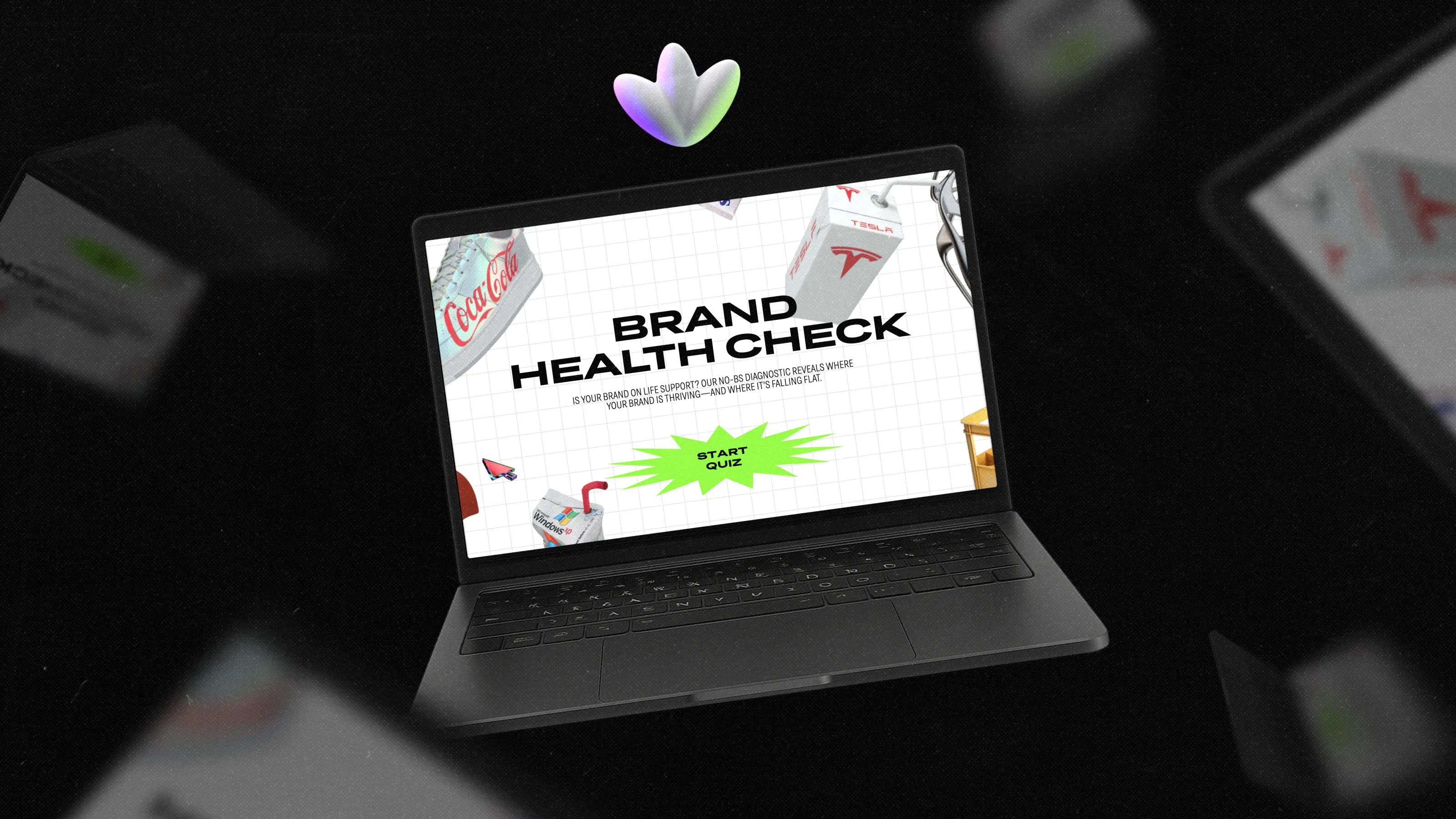
Features such as quizzes, calculators, product finders, and guided onboarding flows help users quickly identify relevant options. These interactions can increase conversion rates by up to 45% compared to static content, especially for complex products or services (Promodo).
3D elements
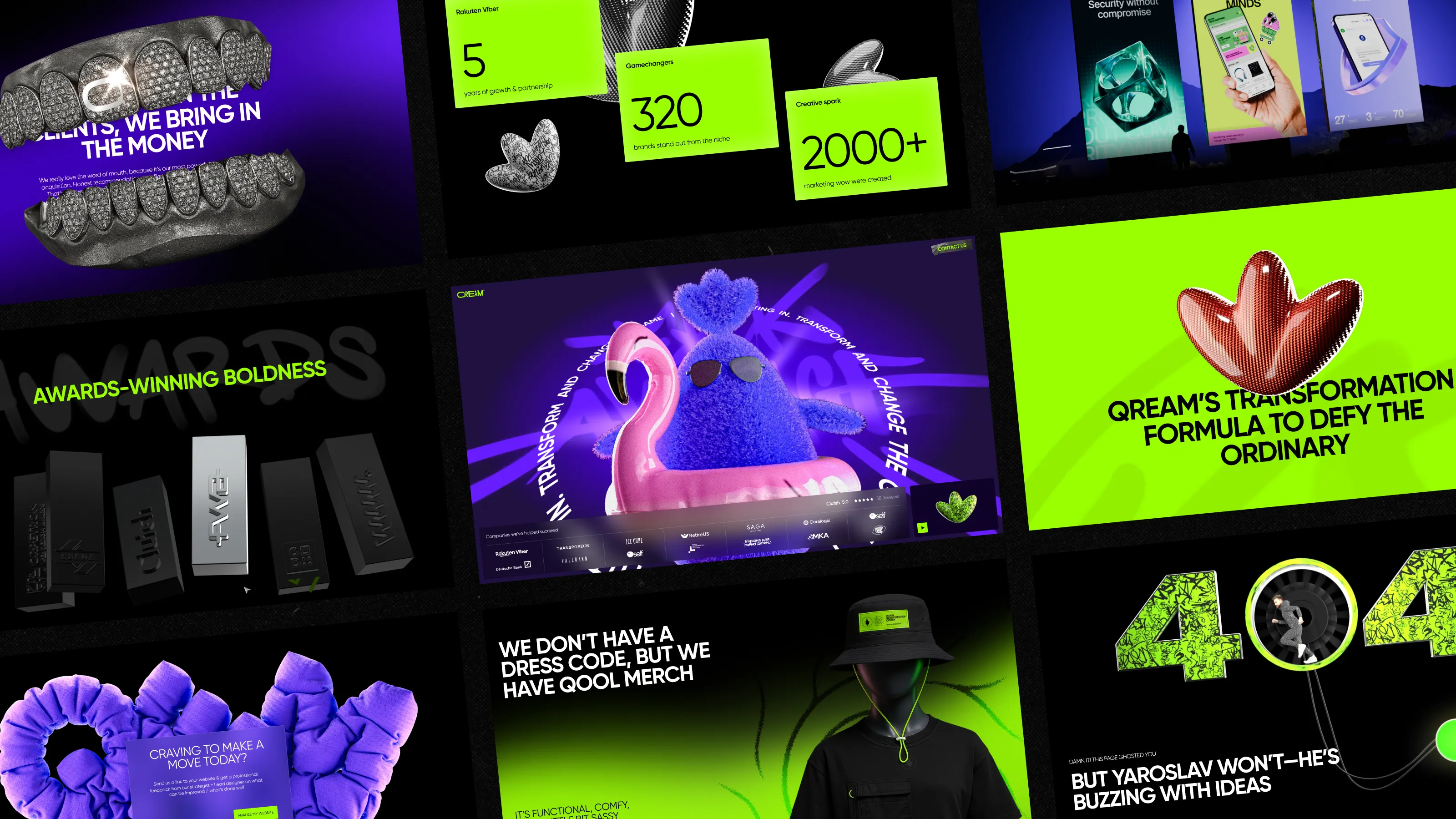
Immersive visuals are becoming more common in 2026. When used purposefully, they can increase time on page by up to 6 times (Framer). The key is restraint: these elements should support understanding, not distract from it.
Flexible CMS
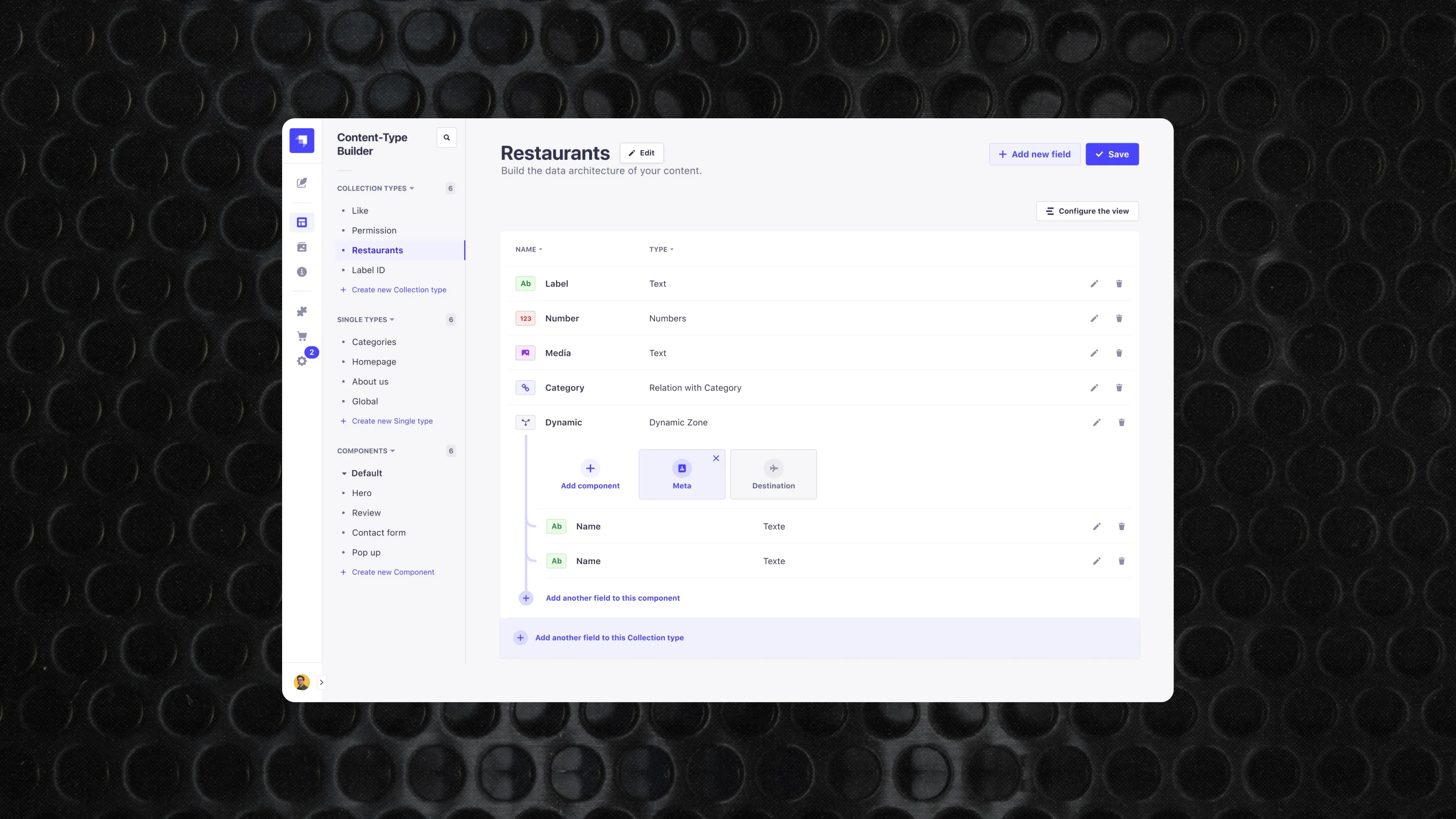
Marketing teams need the ability to update content quickly without relying on developers. A flexible CMS and reusable design components ensure the website can evolve. Our top CMS pick is Strapi—it’s customizable and well-suited for corporate websites.
Written by

Qream co-founder | Design and product direction
Leads Qream's creative and product direction, connecting brand strategy, experience design, and business goals. Reviews content where design strategy, UX/UI, customer experience, and brand execution are central.