Every redesign starts with the same question: “Is this actually good—or just what everyone else is doing right now?”
The difference between fresh ideas, recycled templates, and outdated design isn’t always obvious. You need to know what you’re looking at. That’s exactly what this report helps with—a clear decoder for what’s really happening in digital design today and what’s actually worth your attention.
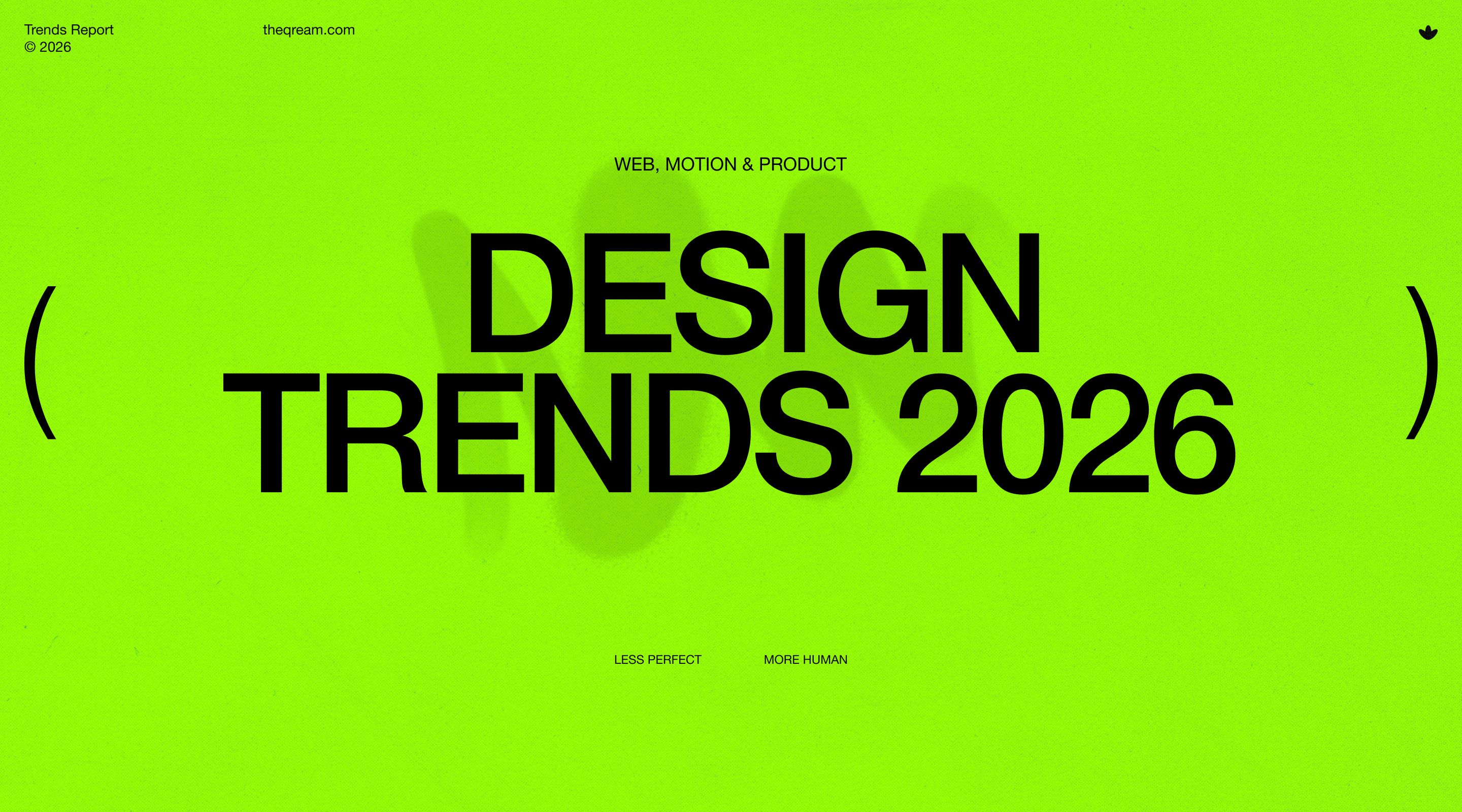
We break down the trends shaping websites, apps, and digital products in 2026—from spatial browsing and functional 3D to AI-powered interfaces and zero-UI interactions. Whether you’re hiring designers, reviewing work, or building a product yourself, you’ll be able to spot what’s relevant, what’s lazy, and what’s next.
This is a preview of the full report. Want the whole picture? It’s one email away.
Fresh design trends report from Qream
Find new ideas in the extended version of the article—more cool design tips to stay trendy in 2026. Leave your email to get the link to the Figma presentation.
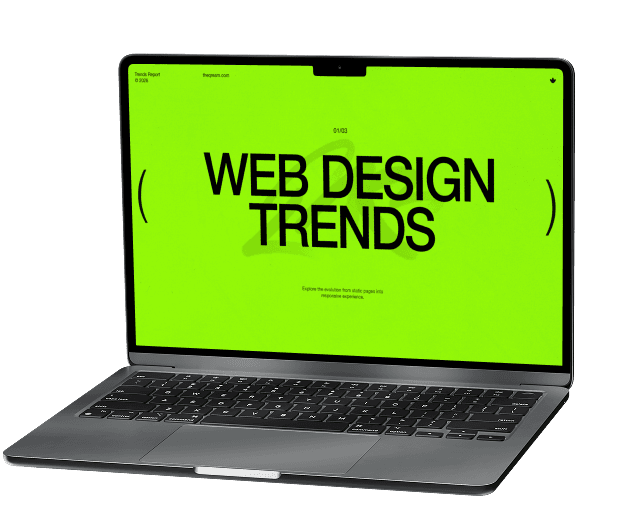
Web design trends
№ 1. Functional 3D
3D elements stop being just decoration—they become your interface’s guides. They naturally draw attention to important information, highlight key blocks, and gently guide users to the next step. The interface feels alive, intuitive, and genuinely enjoyable to interact with.
Fits perfectly:
- E-commerce
- Design studios
- Product landing pages
№ 2. Dynamic letters
The era of static, purely decorative text is over. Now text reacts to users—changing shape, size, and rhythm. Bold letters guide the eye and highlight what really matters. Text in motion doesn’t just look nice—it helps users understand faster and never miss the key info.
Fits perfectly:
- Cultural & art projects
- Design studios
- Events & festivals
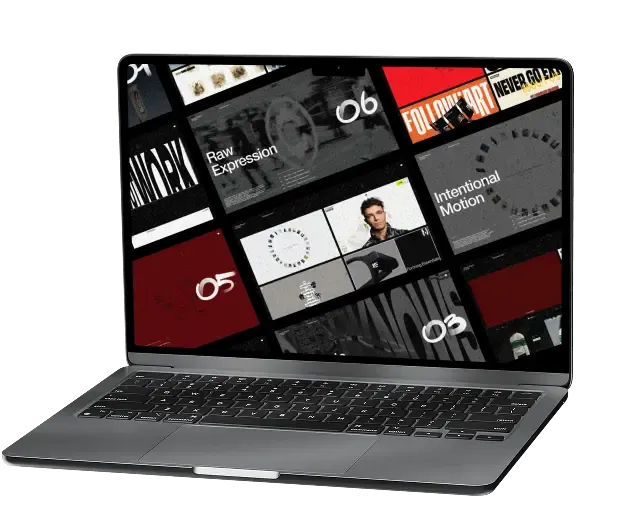
№ 3. Raw Expression
Design is starting to embrace imperfection and the human touch. Rough textures, asymmetry, and bold type add tension against otherwise clean, polished elements. In a world where perfect design is easy to copy, these little “flaws” are what make projects feel alive and memorable.
Fits perfectly:
- Cultural & art projects
- Design studios
- Fashion brands
- Music & subculture
Motion design trends
№ 1. Old B2B New
Grain, noise, animated textures, and fluid gradients are making a strong comeback—this time powered by motion at 60 FPS. This trend pulls from the 80s and 90s: rough surfaces, visible texture, a bit of chaos. But it’s reimagined through clean layouts, thoughtful composition, and effortless animations.
Fits perfectly:
- Creative tech & digital products
- Events, festivals & cultural projects
- Fashion brands
- Crypto & Web3
№ 2. Kinetic Typography
Typography now is less about flashy effects and more about guiding attention, supporting storytelling, and adding personality. Text moves intentionally—highlighting key points, emphasizing tone, and keeping the viewer engaged—without ever feeling chaotic. Motion complements narration, visuals, and pacing, making brand manifests, explainers, and ads clear, expressive, and memorable. The focus is on readability, rhythm, and emotional impact, turning typography into a true storytelling tool.
Fits perfectly:
- Creative tech & digital products
- Edtech
- Fashion brands
- Tech & SaaS startups
- Marketing agencies & creative studios
№ 3. Dimensional Сards
It's all about letting the meaning of the words drive the motion. Each letter, word, or phrase becomes a canvas to communicate its essence. Typography turns into an embodiment of the message, giving viewers a fast understanding of the concept, adding character and storytelling power to everything.
Fits perfectly:
- Tech, SaaS & digital products
- Creative tech & AI products
- Creative studios
- B2B brands
- Media & content platforms
Product design trends
№ 1. AI-Powered & Adaptive Interfaces
Interfaces adapt to users’ habits, timing, and context. Home screens shift throughout the day, prioritizing what matters most. The system learns how a person works and adjusts itself without extra settings. Frequently used actions surface naturally. Less relevant UI steps aside.
Fits perfectly:
- Workplace tools
- Edtech
- Streaming & content platforms
- Creator tools
- SaaS products
№ 2. Accessibility & Inclusive Design
Design is moving toward interfaces that actively reduce cognitive load. Products are rethinking their structure: fewer clicks, less visual noise, and fewer simultaneous states. Minimalism helps users stay oriented and reduce mental fatigue. Sometimes, true inclusivity means letting the interface fade into the background so content can lead. People notice when design is created with real care, not just legal compliance—and that care influences trust, loyalty, and long-term engagement.
Fits perfectly:
- Health & wellness
- Edtech
- Fintech
- Content & media platforms
Design isn’t perfect anymore—it’s human
Design in 2026 is less about adding features and more about removing friction. It’s about making everything feel lighter: fewer steps, fewer decisions, and less noise in your brain. Interfaces now know better when to help and when to shut up, letting you think and guide the way.
Web, product, and motion design shifts to static layouts that become adaptive systems, rigid flows turn into natural paths, and context starts doing the heavy lifting. Motion stops being decoration and starts being direction. Typography carries both mood and meaning.
The design trends shaping that shift—how products are becoming more human, more inclusive, and more aligned with real user behavior. Not to impress, but to help.
In 2026, the smartest experiences products aren’t just powered by AI. They’re quietly intelligent—designed to feel alive, inclusive, and human. And that’s a wowzer upgrade.
Qream’s design trends: the director’s cut
Learn more shifts in the Qream’s full report— killer tips for web, motion, and product design. Drop your email to get the full info.
Written by

10 years in UI/UX | Awwwards, FWA and Webby jury
Leads strategic visual direction and acts as a senior design authority across major project milestones. Reviews content on UX/UI, design systems, user-centred experiences, and conversion-focused design.