
How we helped Spotify turn experimentation into a brand
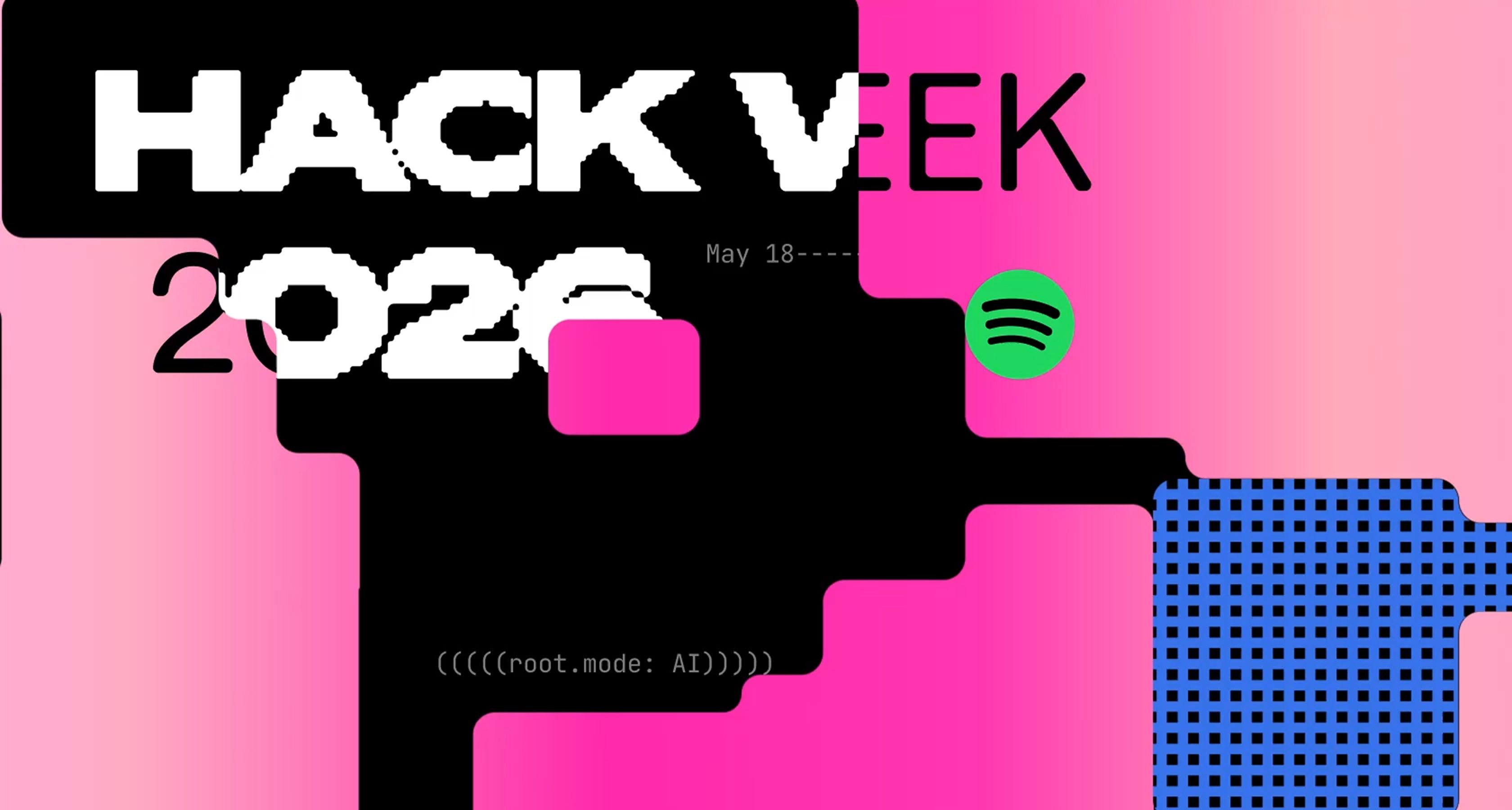
When business gets a week off, boldness enters the room
Every year, Spotify hits pause on business as usual and hands the mic to experimentation. Hack Week is an internal hackathon where employees step away from roadmaps, deadlines, and routine work to test ideas that might shape the company’s future.
This year, Spotify’s team was discovering how AI enhances the way they build products. Going with “corporate-friendly” aesthetics wouldn’t convince people that innovation matters, though. They needed a design that sets the mood, keeps teams from doing their jobs for a week, and lets them ship the craziest ideas instead.
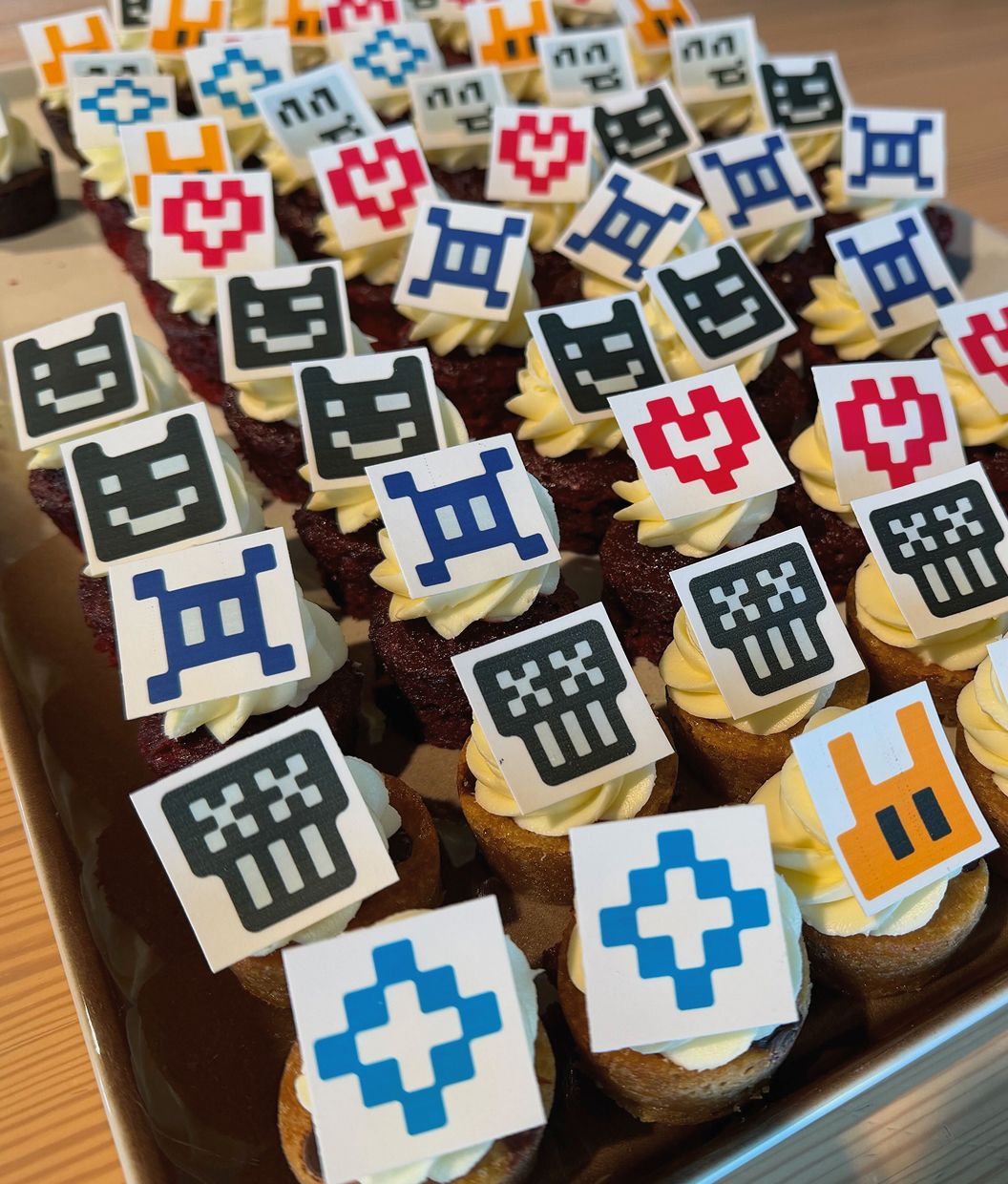
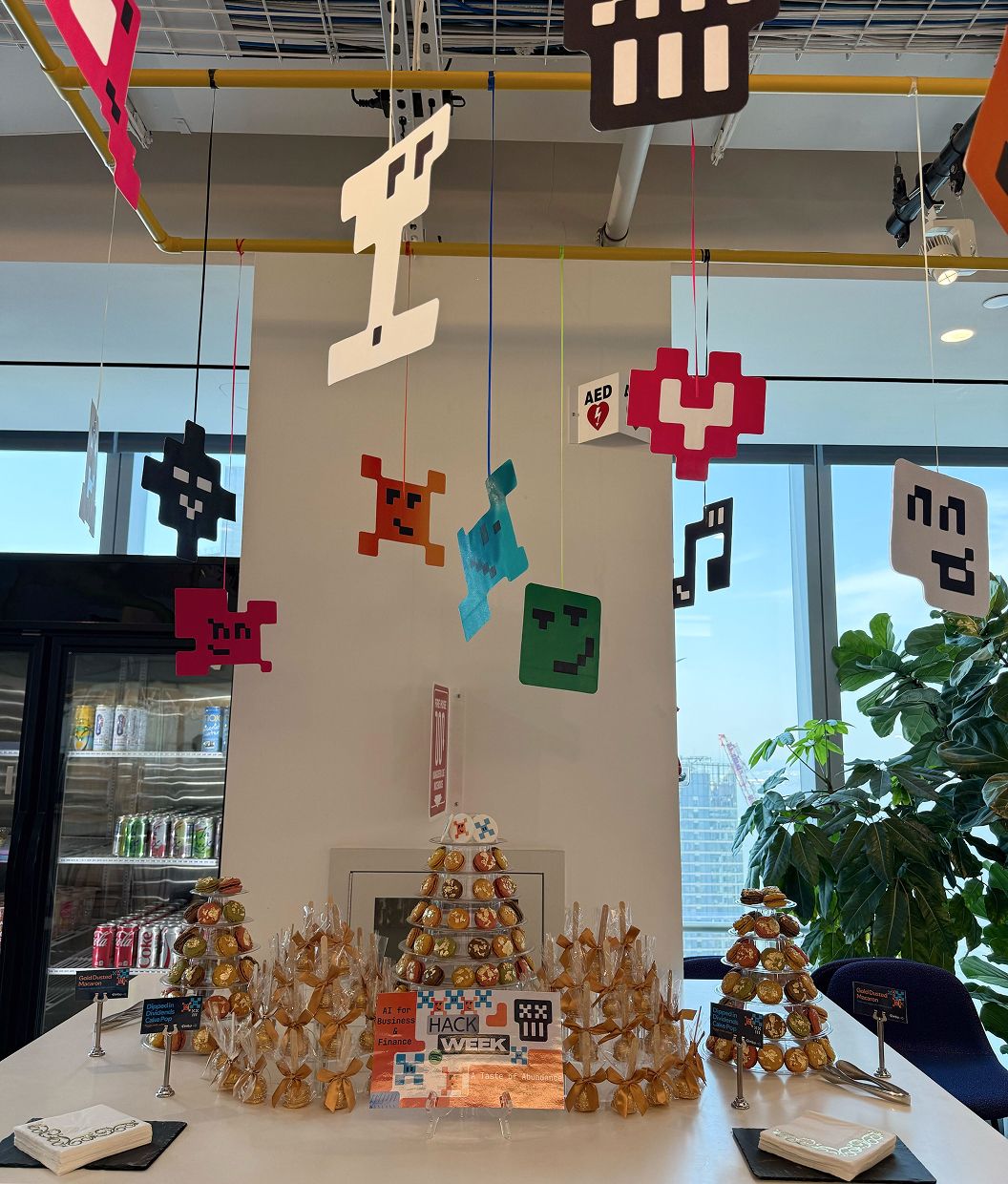
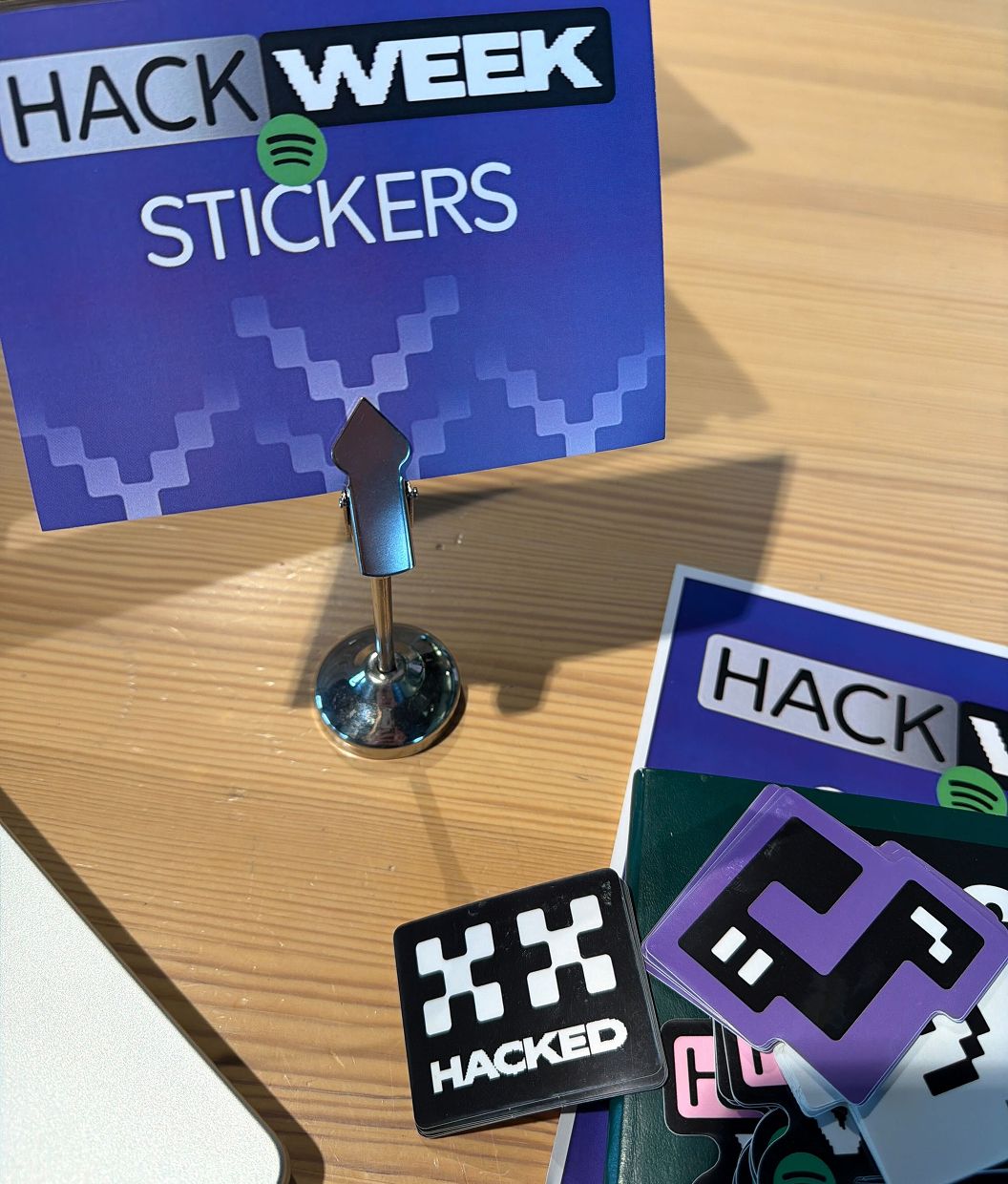
The branding got permission to get wild
If we look at Hack Week’s real challenge, besides building prototypes, it’s creating enough psychological safety for people to take risks. Between packed calendars, ongoing projects, and everyday duties, experimentation feels like the hardest part.
Our core idea was to visually turn Hack Week into an invitation. A reminder that every idea deserves airtime, curiosity is worth following, and sometimes the best thing you can do is step off the usual path.
Two ways to break routine
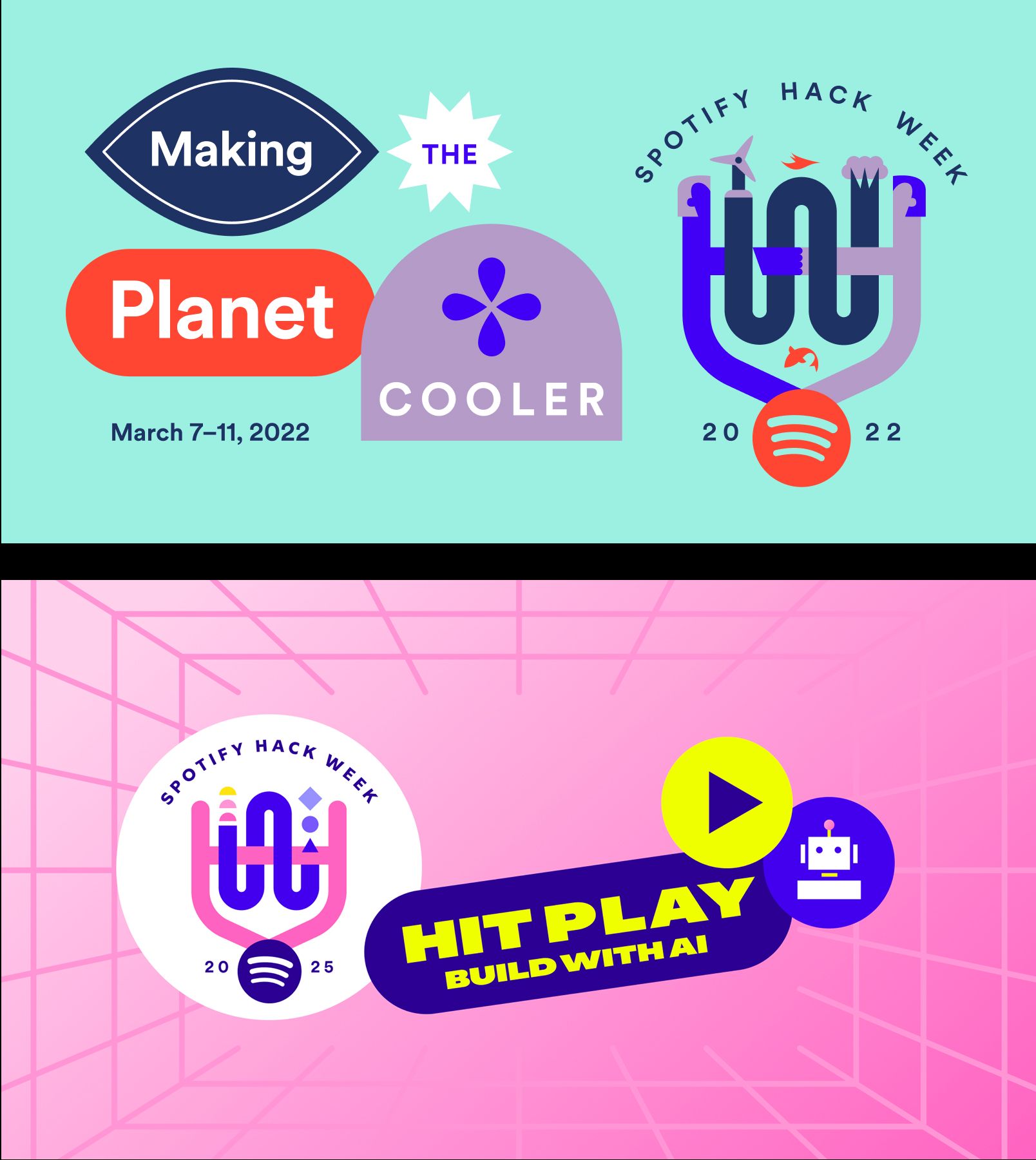
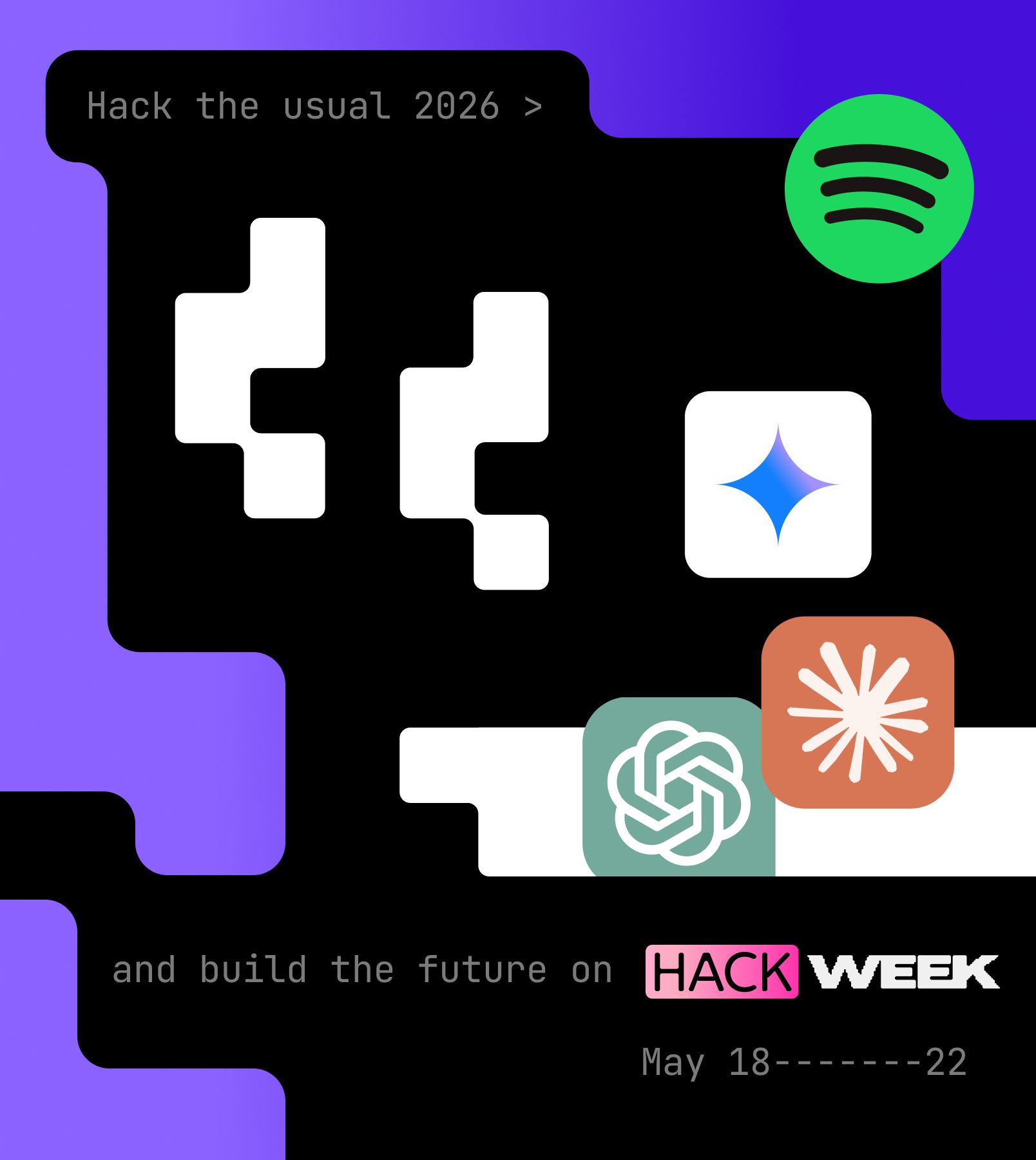
Previous event identities were vivid but emotionally plain. They looked good, but they didn’t make people catch feelings. We kicked off by exploring more design directions and developed 2 distinct concepts.
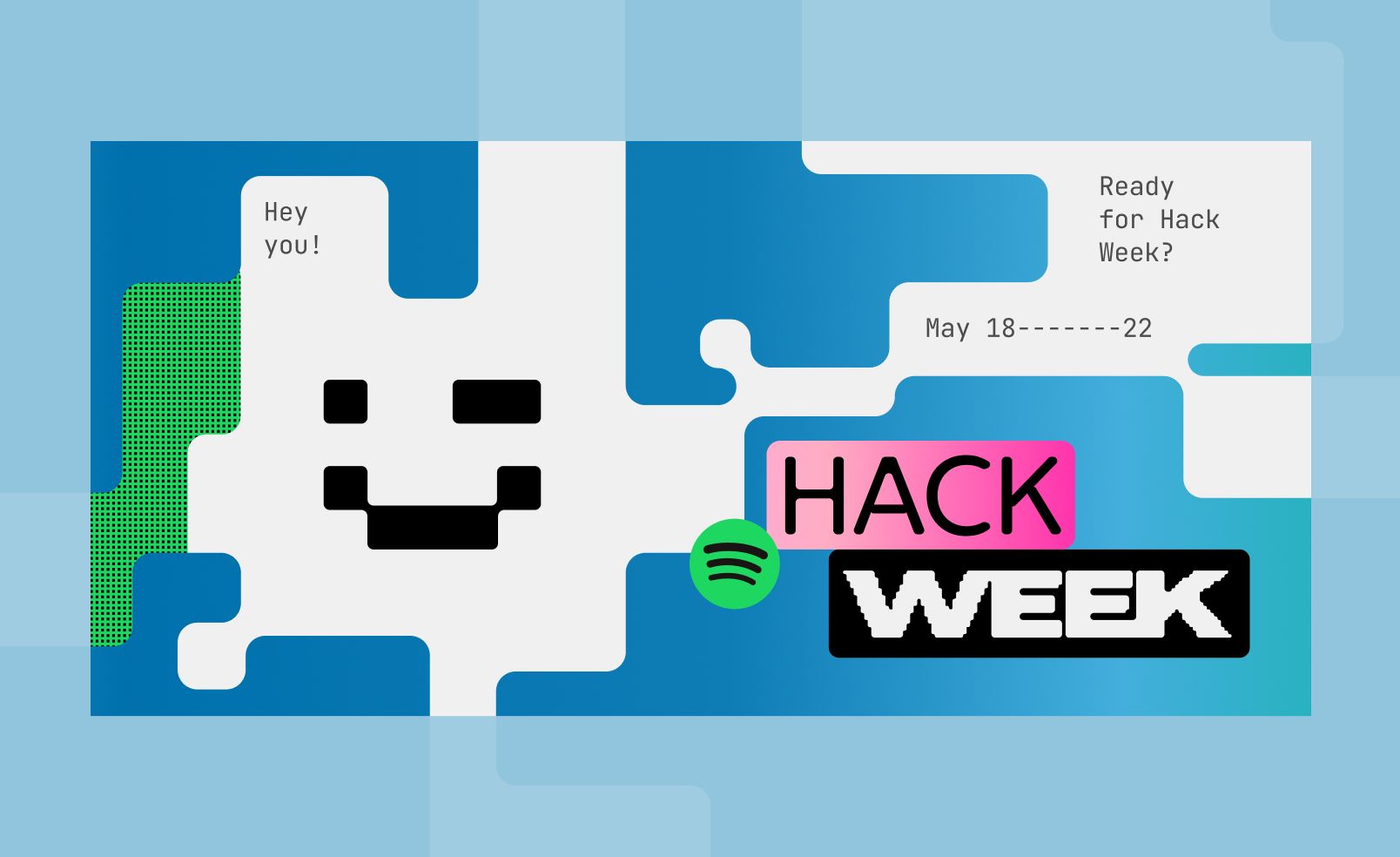
Concept #1
The Trickster
Big companies don’t suffer from a lack of ideas but from too many processes. Curiosity gets pushed aside while meetings and deadlines take over. That’s why we introduced the Trickster, who turns Hack Week into a temporary system glitch.
A mischievous character appears across internal channels, leaving behind Easter eggs, witty messages, and small acts of chaos to spark curiosity. It’s on the mission to break routine, provoke exploration, and remind people that innovation rarely asks for permission.
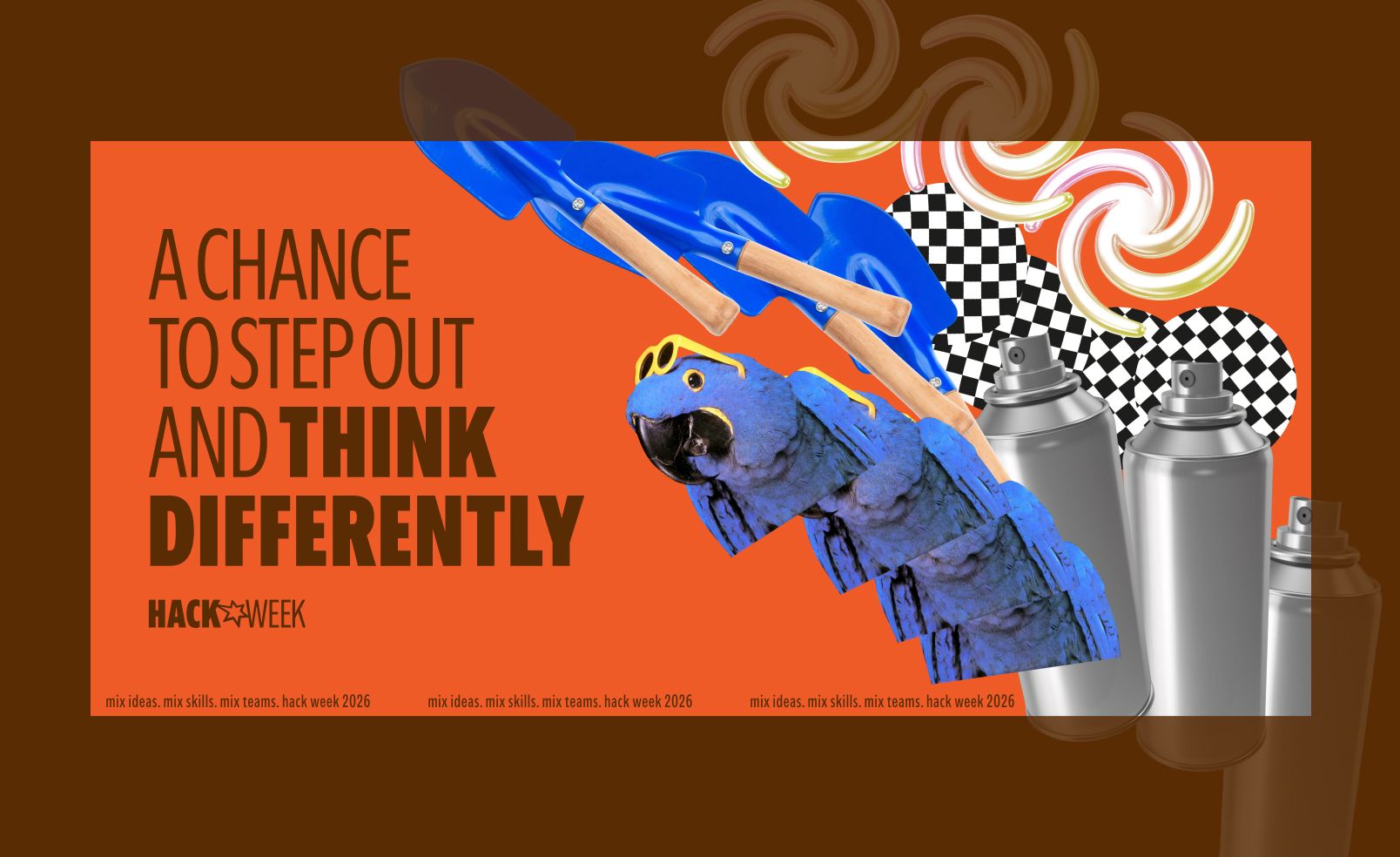
Concept #2
Fresh Mix
Great ideas don’t appear in the middle of a boring meeting routine. Creativity needs space and spontaneous collaborations. So this concept gave a breath of fresh air.
Fresh Mix positioned Hack Week as a mental reset—a chance to step away from the everyday, collab with unfamiliar people, and build something new together. The visual language brings this mix to life with collage-style designs, showing off the idea that the coolest results often come from unexpected combos.
Introducing a modular structure to make things flexible
The final logo system embraced the spirit of experimentation, too. Instead of a single fixed mark, we built it from modular blocks that can be rearranged, stacked, rotated, or twisted in any way.
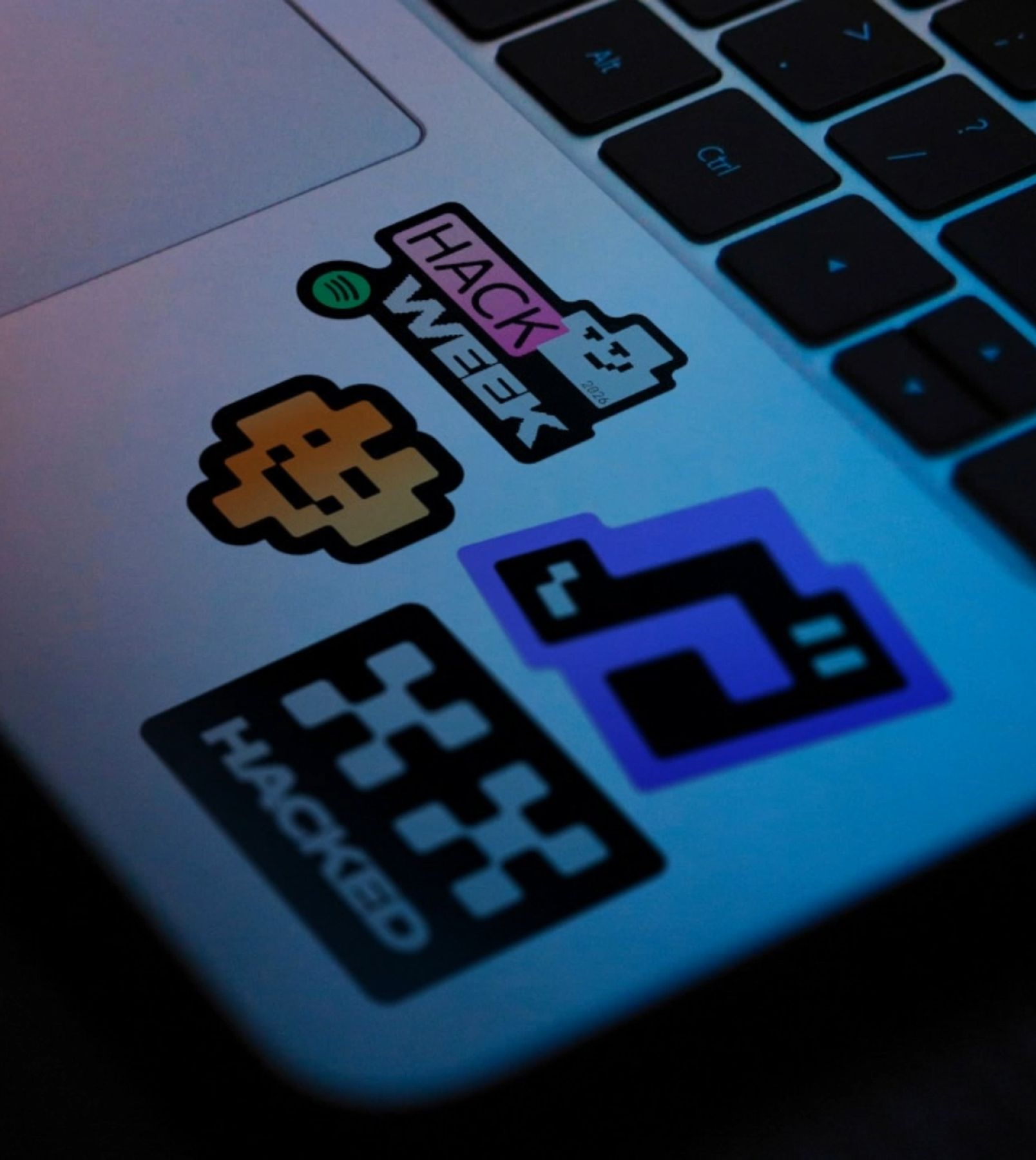
Inspired by building blocks and playful tinkering, the identity became something people could interact with rather than stare at. We even designed physical stickers as separate pieces, so teams could build their own logo versions—just like Hack Week inspires them to twist ideas.
Loud colors for loud energy—and other design moves that did the heavy lifting
We wanted the identity to inject energy and speed, so vibrant colors made their part. At the same time, a sprinkle of dark foundation added depth and attitude to everything. The dark backdrop also nodded to the AI theme. Borrowed from the dev, it reinforced a bigger message: AI isn’t just for engineers anymore. Anyone can build, experiment, and create.
Move #1
Liquid pixels
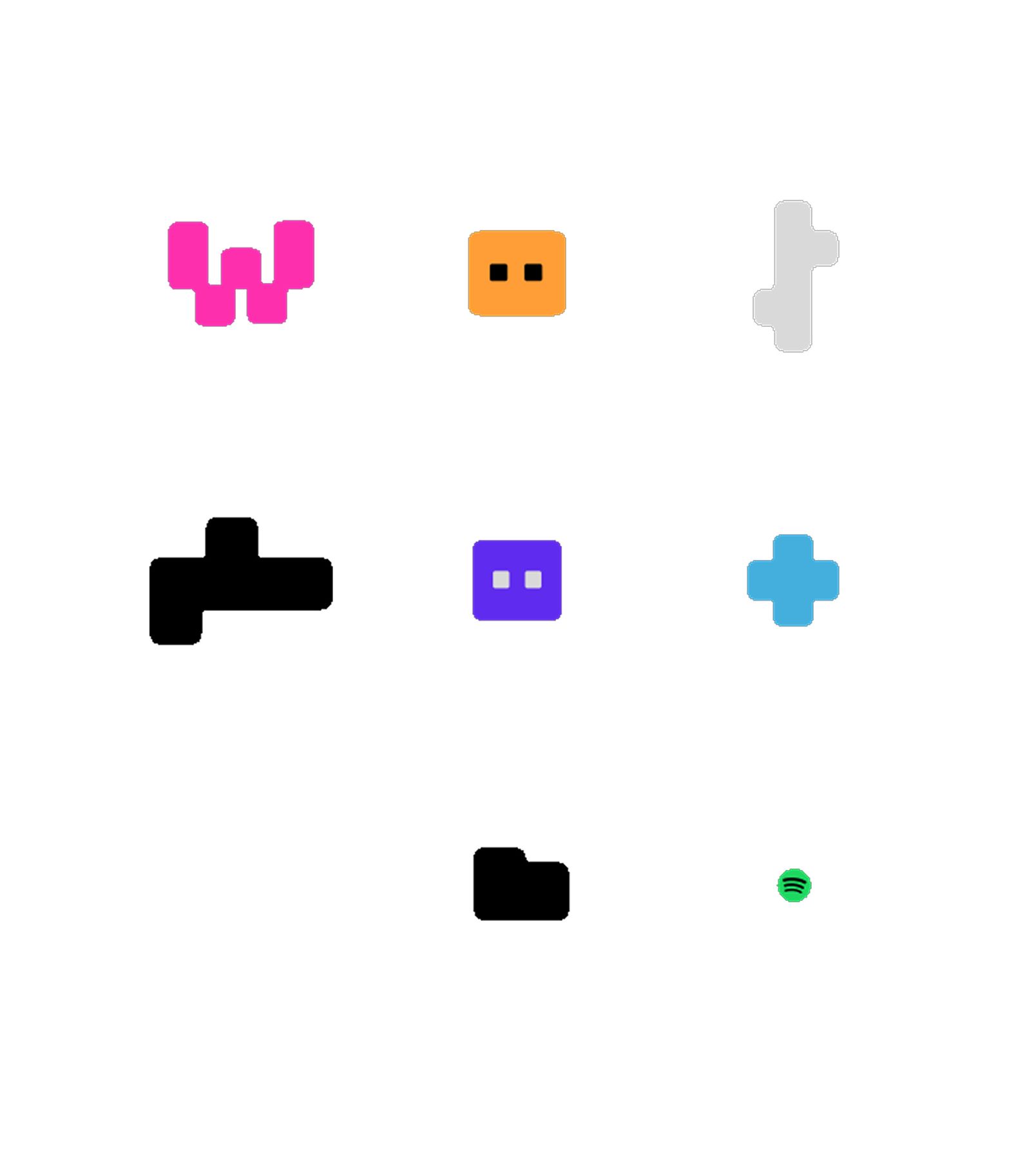
A custom graphic element became the backbone of the system. Flexible, playful, and endlessly adaptable, it transforms into icons, mascot shapes, backgrounds, or motion elements.
Move #2
Gradient effects
They added movement, depth, and unpredictability. Compared to previous Hack Week identities, it helps visuals feel more alive, energetic, and open-ended.
Move #3
Typography
Oversized type became a statement. Combined with subtle coding references and system-inspired details, it created the relevant visual language.
The Riff mascot, aka a playful troublemaker
The mascot became the voice of every employee secretly wondering: “Shouldn’t I focus on my day-to-day work instead?” Instead of ignoring those doubts, Riff challenged them directly.
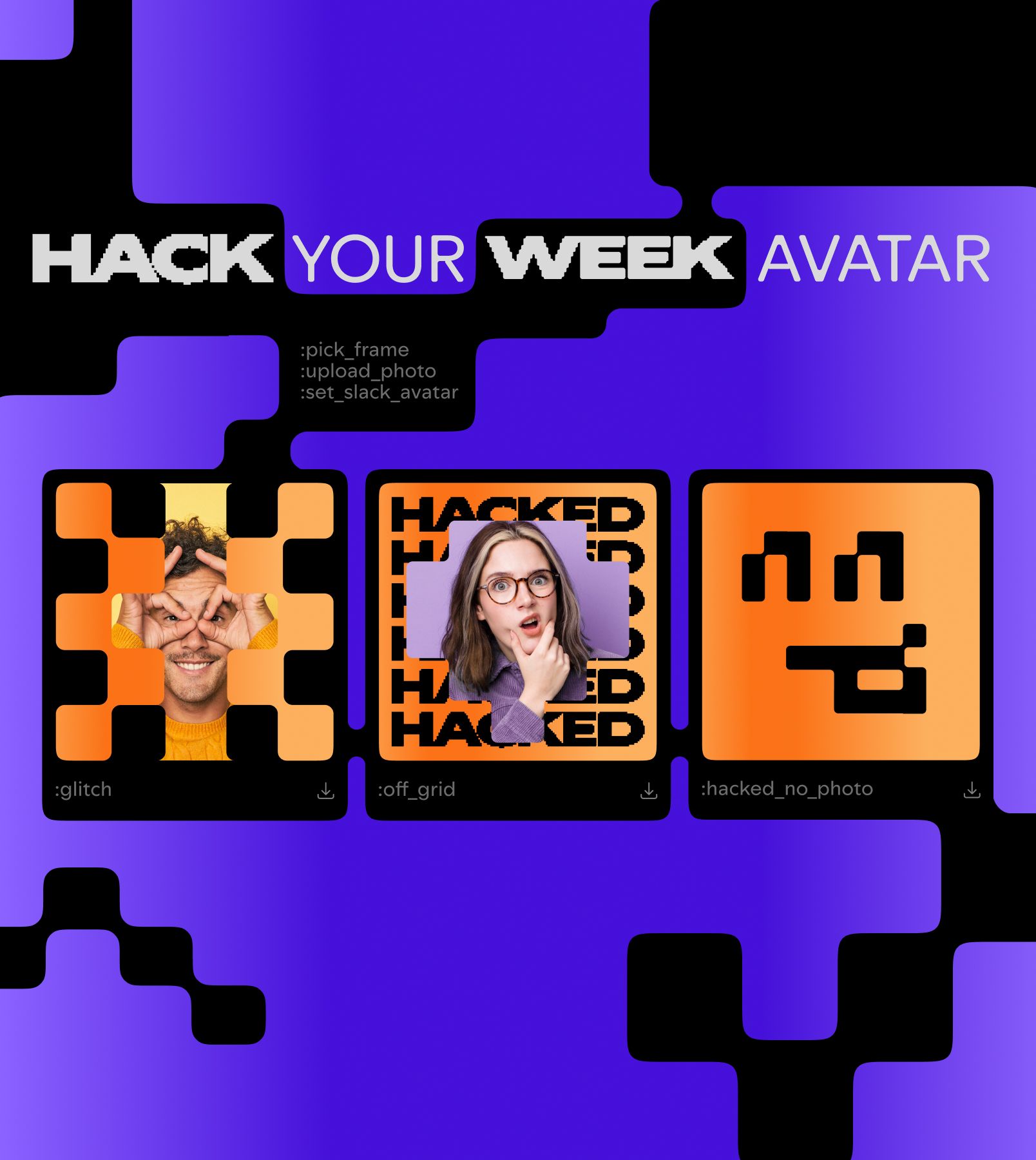
Through hacked messages, visual interruptions, and playful interactions, the character encouraged people to stop overthinking and start experimenting. We also crafted a custom tool for Spotify’s employees to update their avatars faster than Riff hacks another Slack chat.
One identity, everywhere
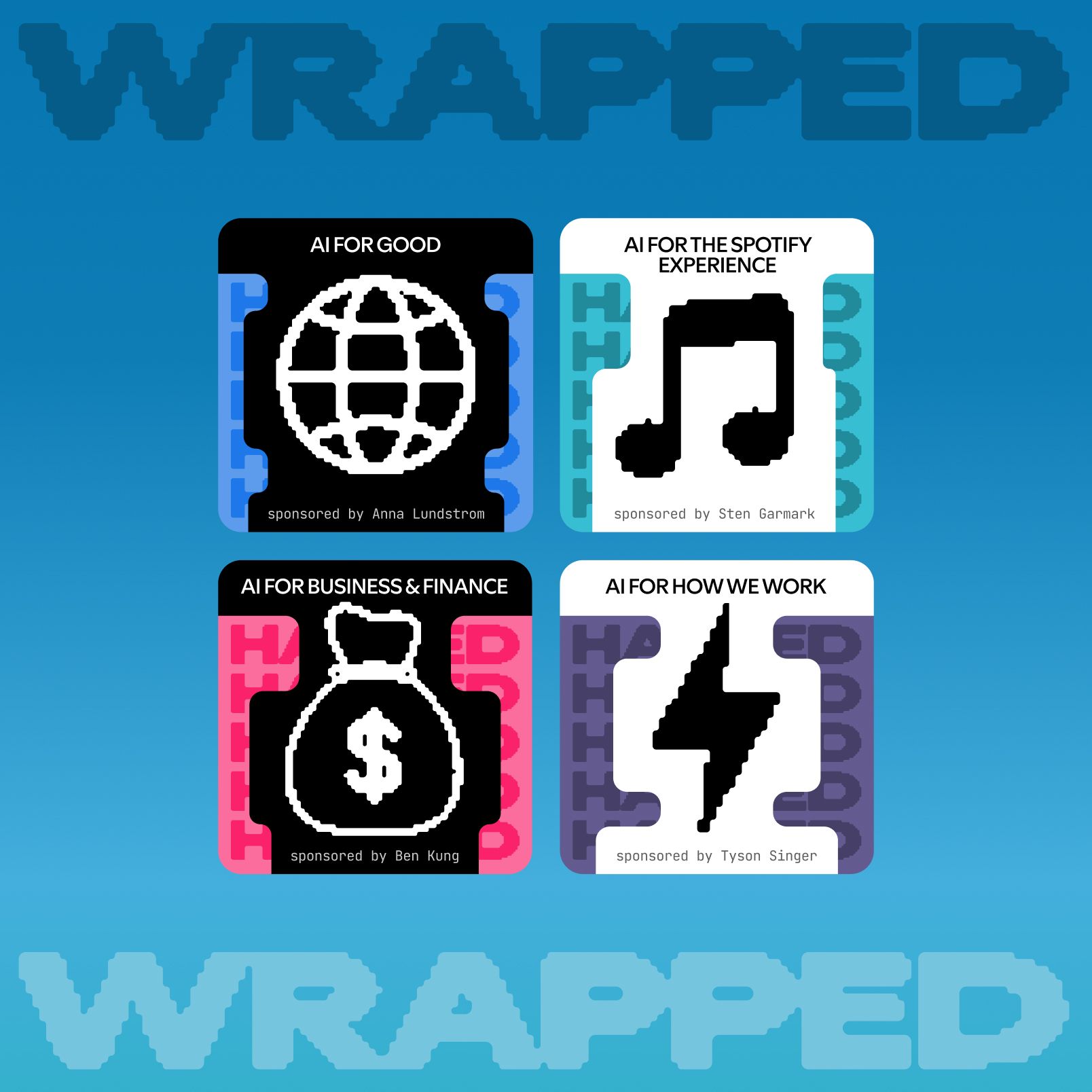
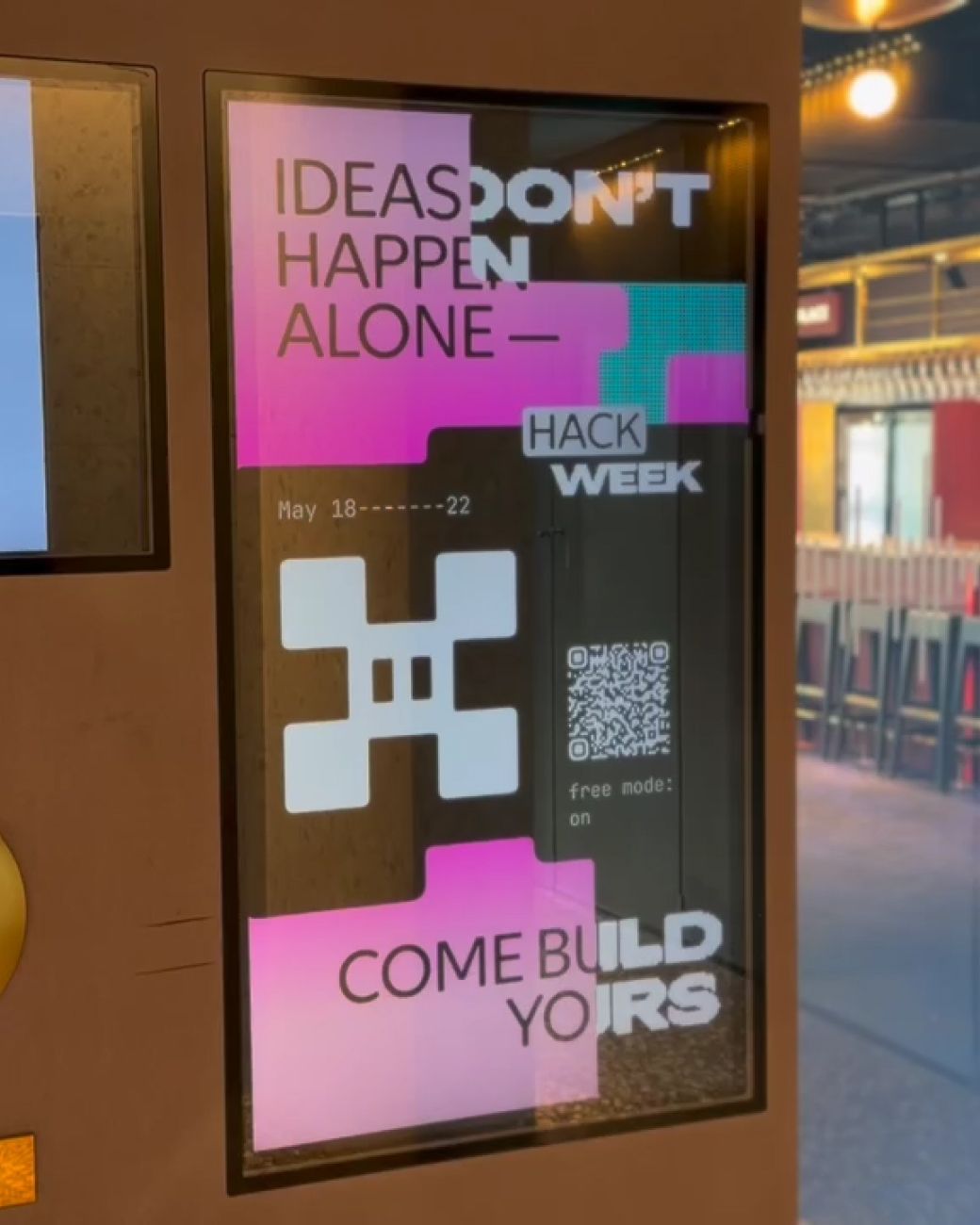
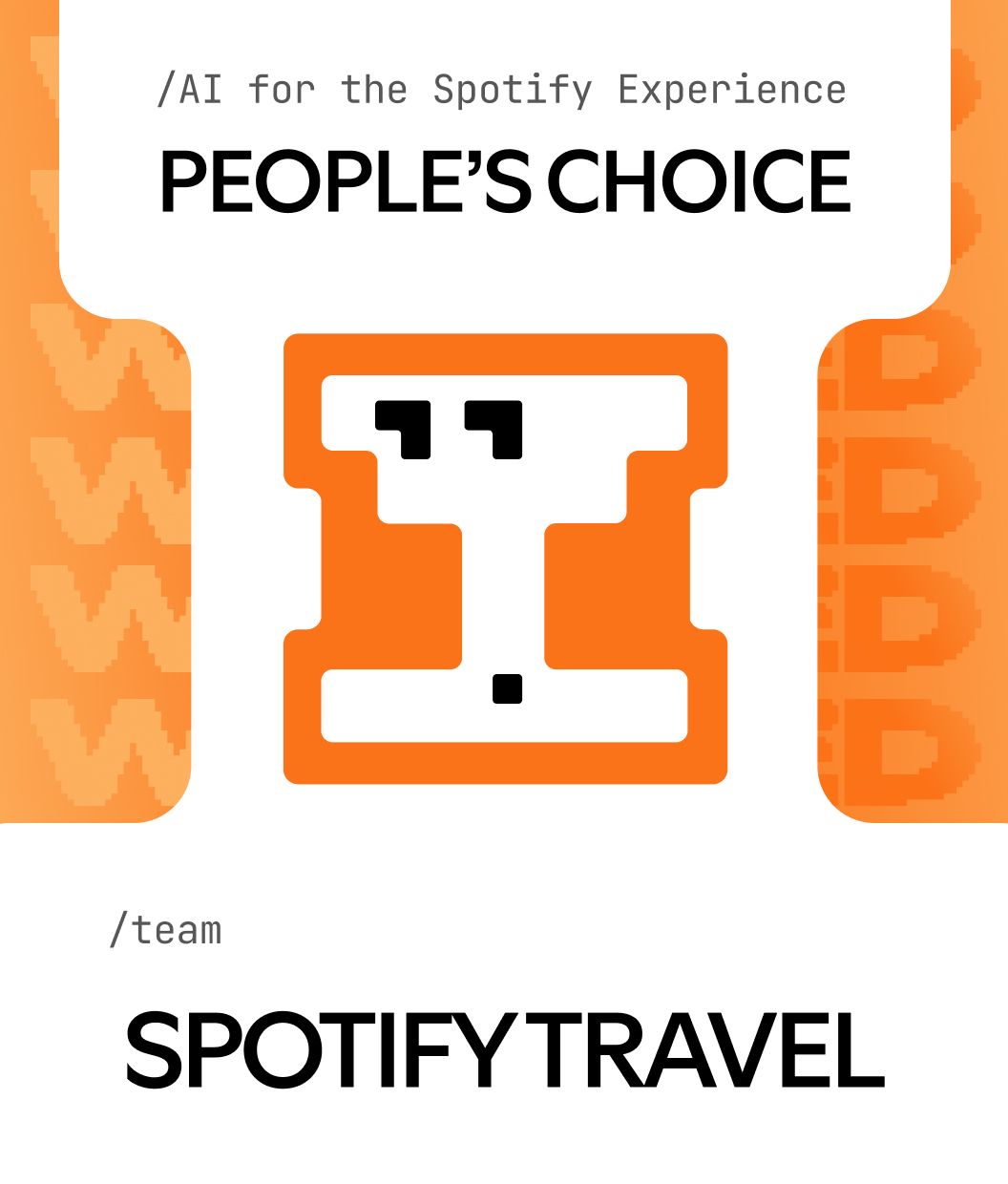
Over a two-month sprint, we created a complete visual system for Hack Week 2026—from concepts and branding to motion and website. Deck templates, stickers, Slack emojis, office posters, backgrounds for meetings—all scaled across Spotify’s global offices.
The biggest trouble wasn’t creative—it was technical. The entire experience had to live inside Google Sites, a platform for corporate users with very limited customization. We treated these constraints as design challenges and adapted every layout, component, and interaction across desktop and mobile, so they still felt like Spotify Hack Week.
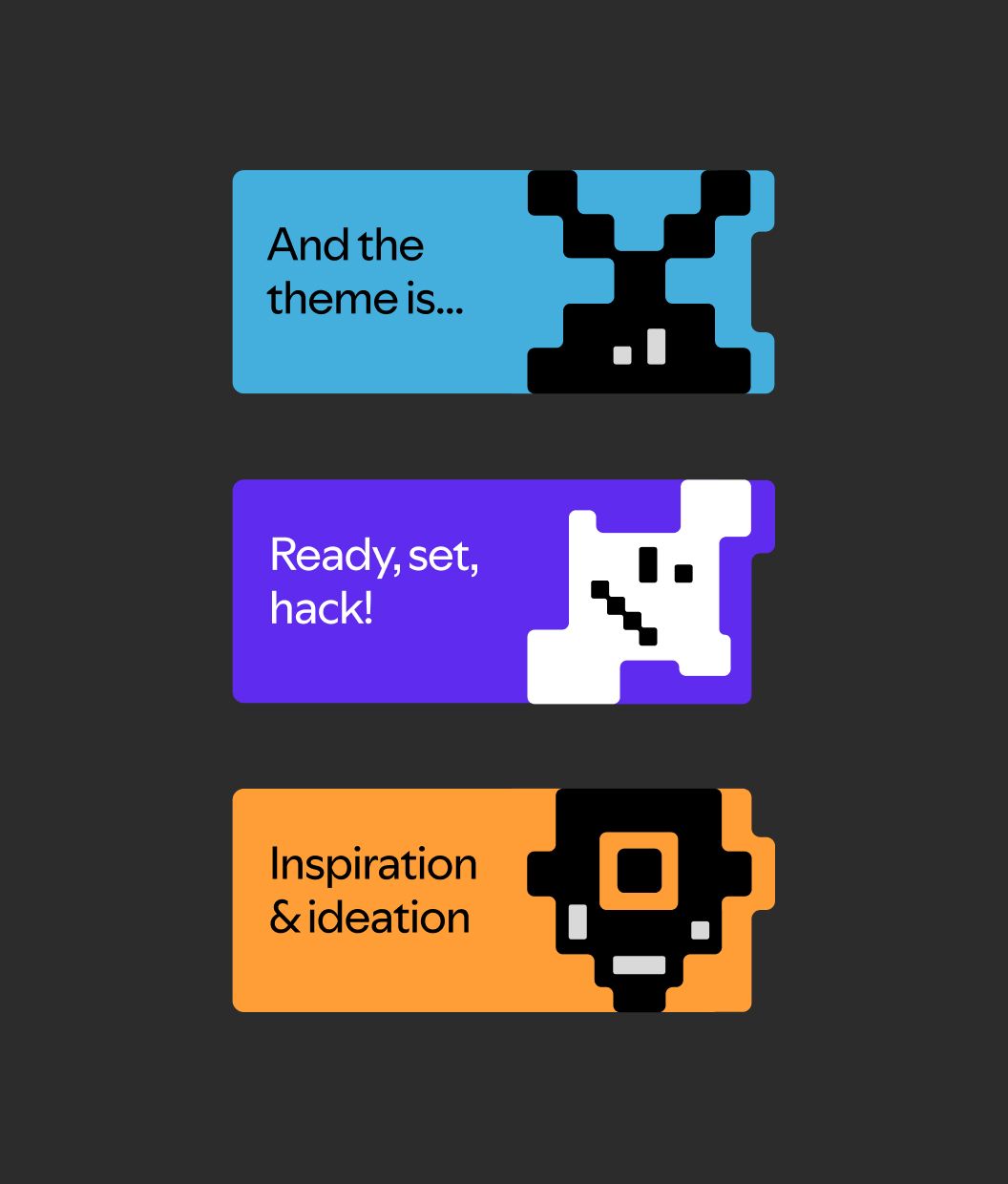
Every deliverable, whether it was the logo animation, the emoji set, or the category page layouts, had a level of craft and attention to detail that elevated the overall feel of Hack Week

Francesca Imgruth
Project Manager, Spotify
How Hack Week was boosted: a few numbers
876
Participants from Spotify’s team
37+
Locations worldwide engaged
100+
Assets designed in a month