A website that explains your product
Complex medical and digital health products are too hard to understand, so users drop off. We turn that complexity into clear UX flows that help people understand your product without relying on a sales call.
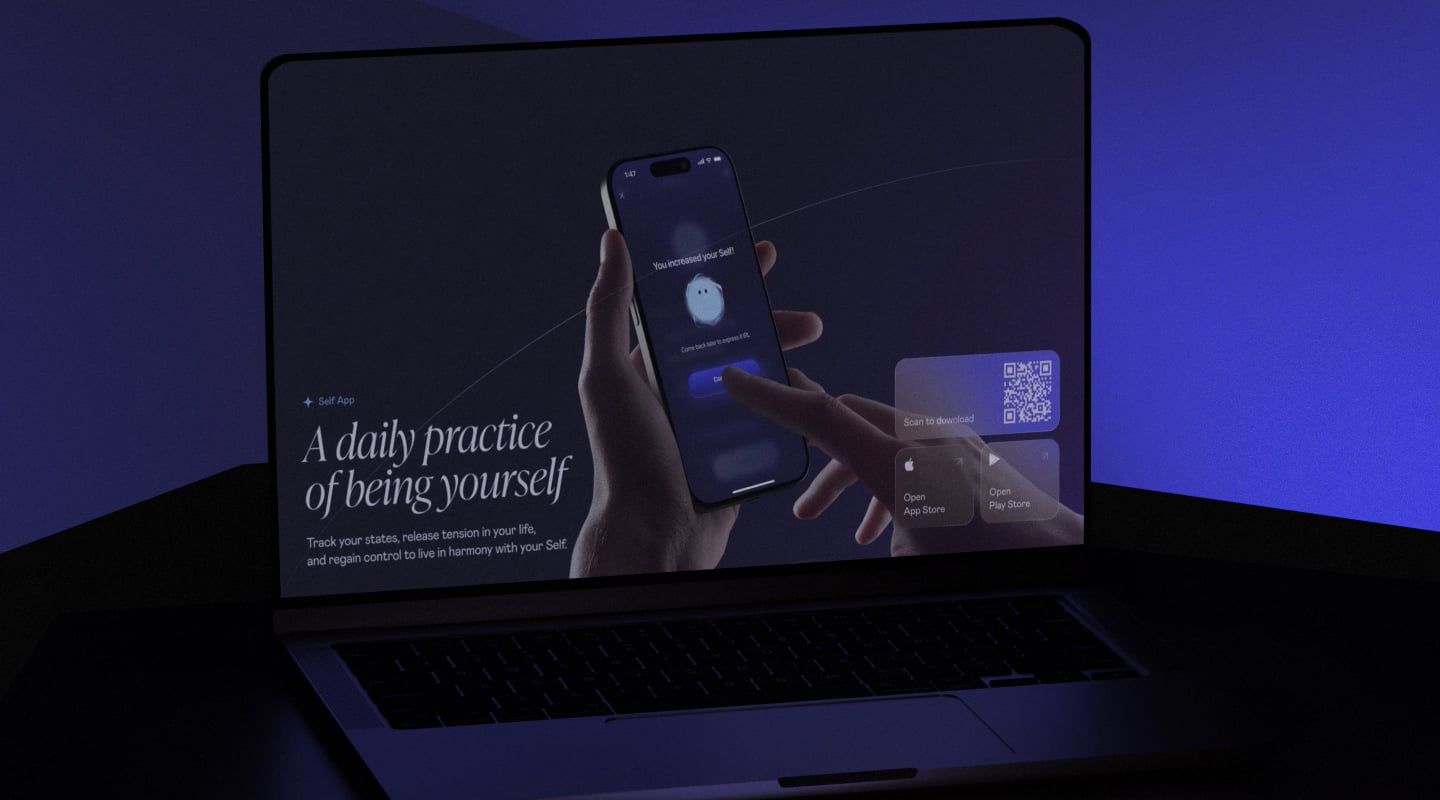

Healthcare website design company for brands that need trust, not just traffic
Qream is a healthcare branding agency designing sites, apps, and visual identities for
MedTech & wellness companies to stop looking generic and stand out in crowded markets.
Qream knows how to make
medical website design stand out
If your brand’s appearance is stuck in brochure mode, buyers
assume your product is just as outdated. We know how to fight
the challenges of healthcare web design.

Stock photos of doctors and “improving lives” messages are a shortcut to being forgotten. You need a striking identity that doesn’t look like everyone else’s.

HIPAA, FDA, and CE matter, but when your site reads like a legal document, clarity dies. Balance is the key: required compliance delivered in a human way.

If your website can’t present the medical product without booking a call or show how your app works without a demo, you’re losing 80% of prospects.

Brands go too casual—that doesn’t connect. A mental health platform can show clinical credibility while being human, too. Or a fitness app can feel premium without arrogant vibes.

Being too flashy is not an option, either. Healthcare buyers (hospital procurement, insurance partners) don’t feel like taking risks—they rely on trust signals.
We deliver a healthcare website design that fixes what’s not working
Qream is a healthcare web design company,
so we don’t just refresh UI cause it’s like adding a patch to a wound.
We uncover what turns users away and keeps your website from converting,
then design around those problems.
Complex medical and digital health products are too hard to understand, so users drop off. We turn that complexity into clear UX flows that help people understand your product without relying on a sales call.
All the requirements usually end up as dense legal blocks that interrupt the user experience. We integrate them naturally into the design so users get the information they need without losing the thread.
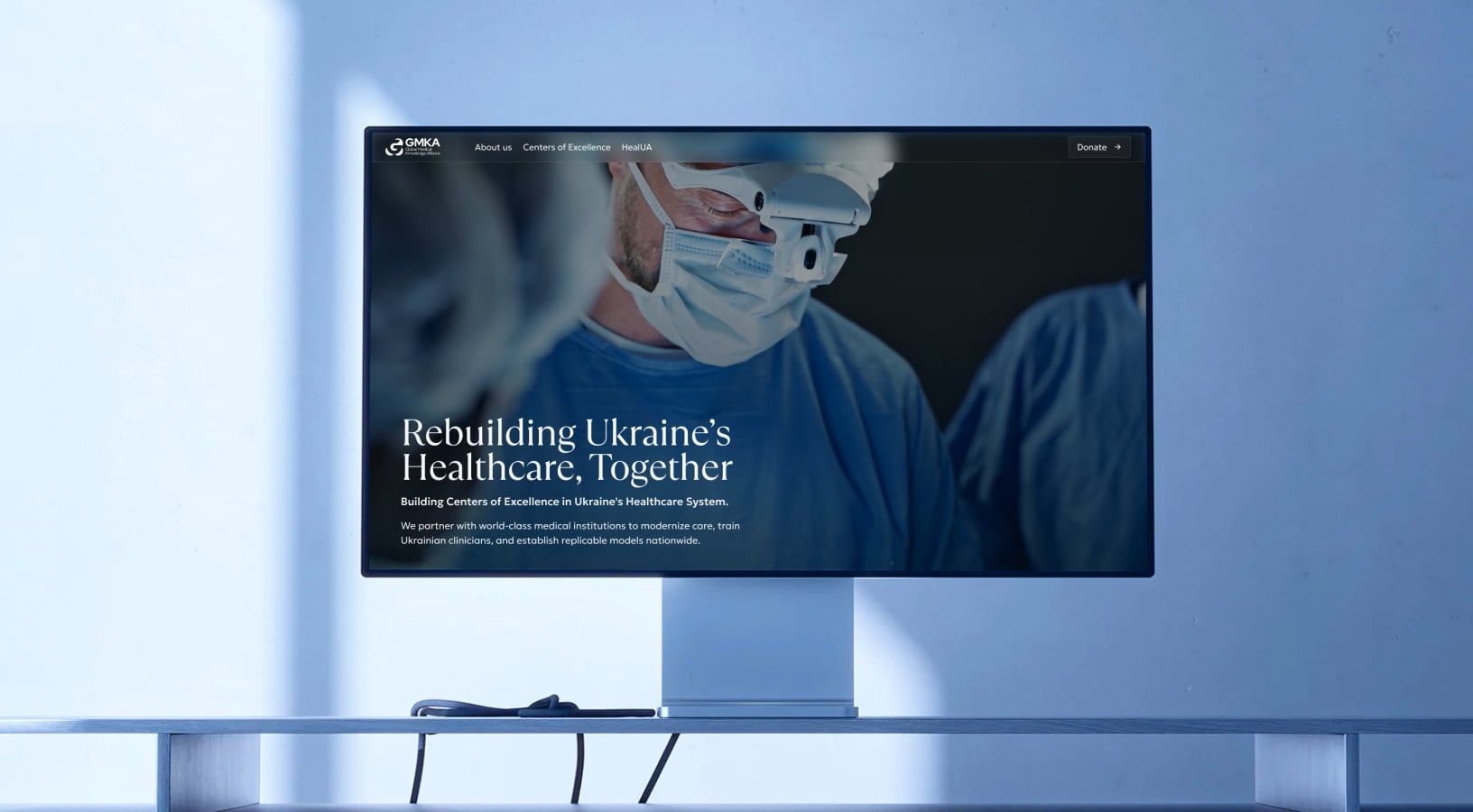
Custom, WordPress, or Webflow development—whatever works best for you. Plus, we ensure you get all the template sections you need and a CMS that’s easy to use, so you can update content and launch new pages without the hassle.
Healthcare branding agency for companies that need to stand out
Most healthcare brands blend in. As a medical branding agency, we make sure yours doesn’t. We build brands that stay memorable longer and give buyers a reason to choose you.
When brands swing in the sea of sameness, buyers don’t understand what makes them different. We define your real edge and turn it into positioning that people grasp instantly—and remember when it matters.
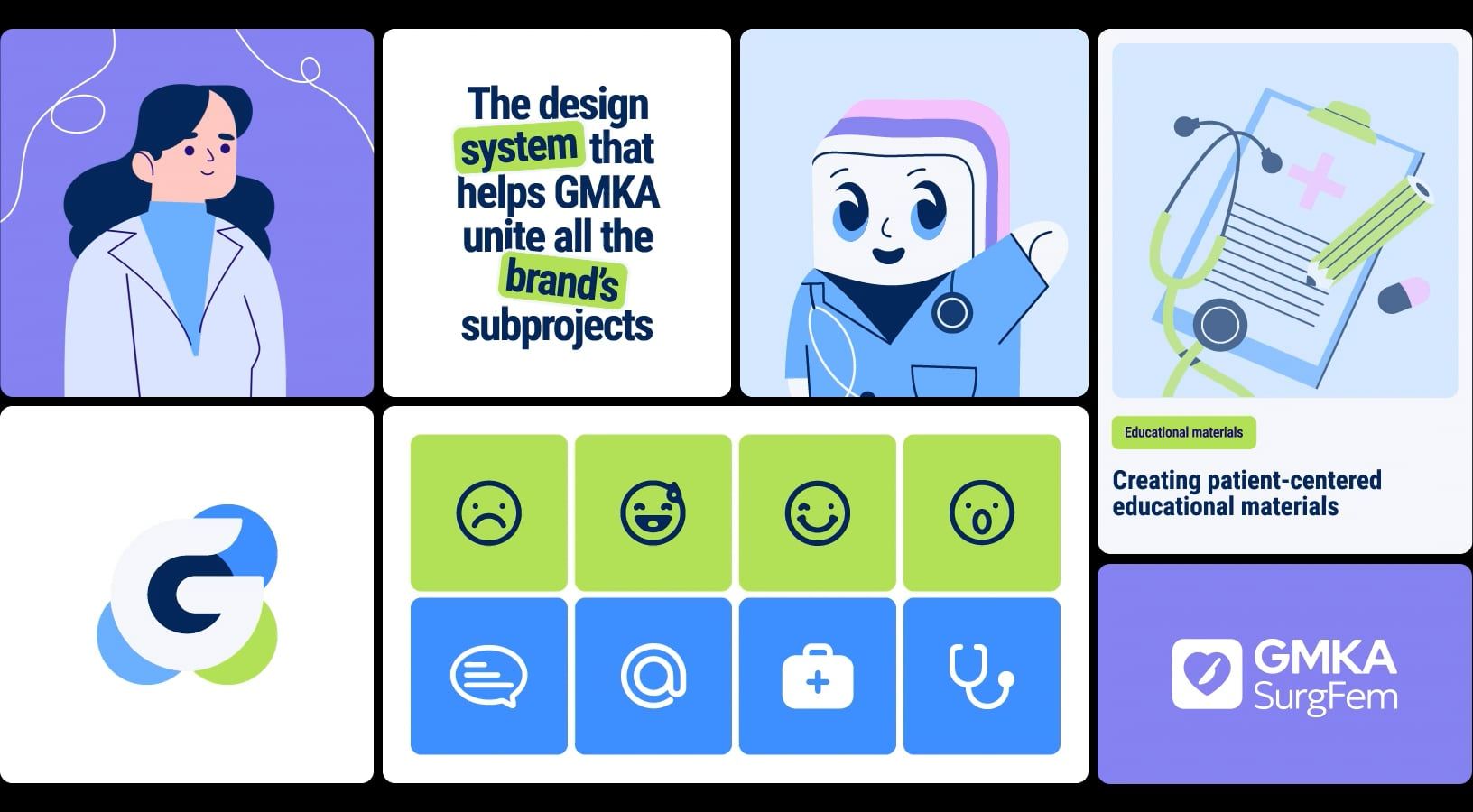
Healthcare brands often look fragmented across websites, pitch decks, and campaigns, which weakens trust. We build unified brand guidelines so every touchpoint feels consistent and credible.
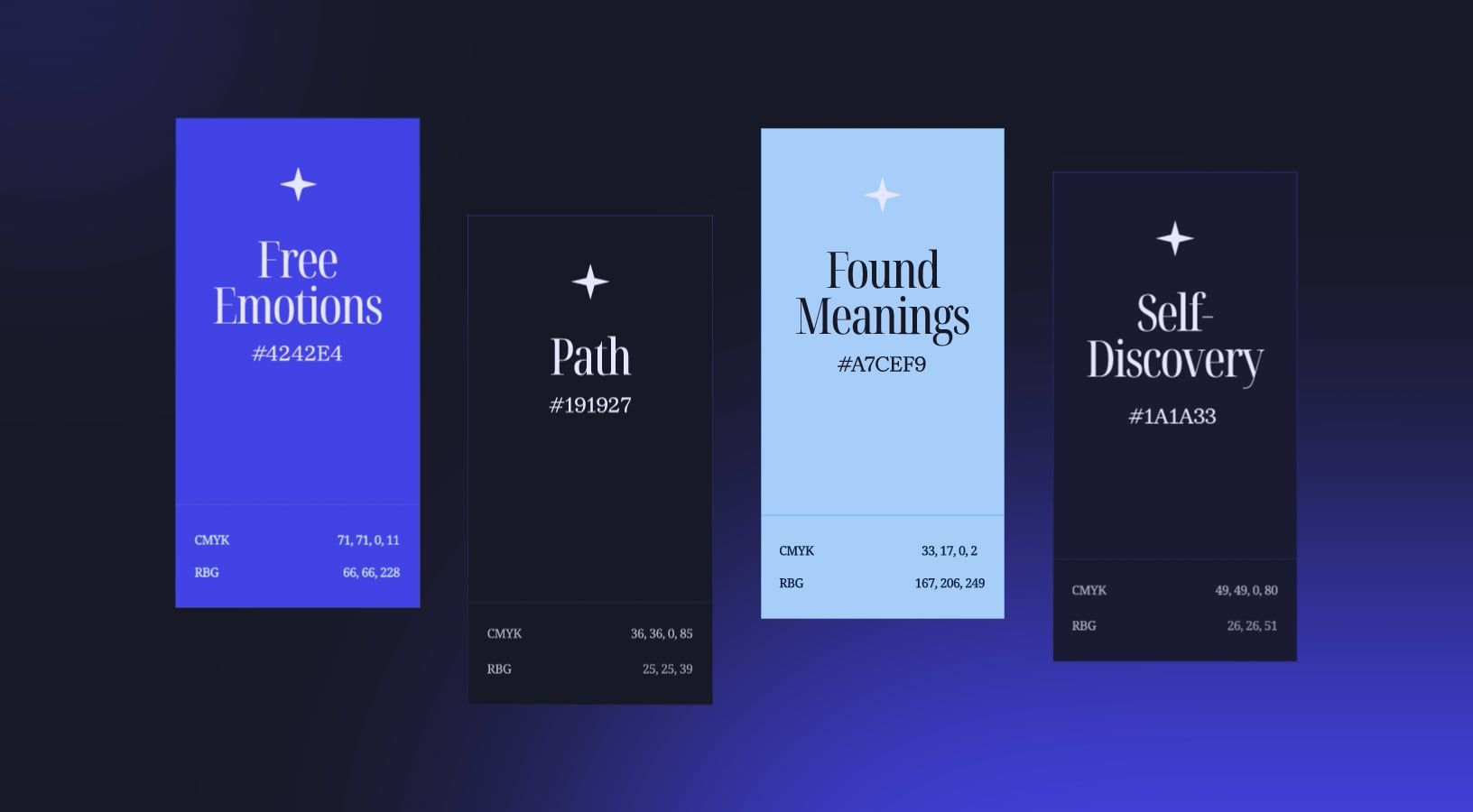
Some wellness brands only look impressive on their guidelines, while everything else feels disconnected. We design systems that carry across decks, conference presence, and campaigns so your brand stays recognizable everywhere.
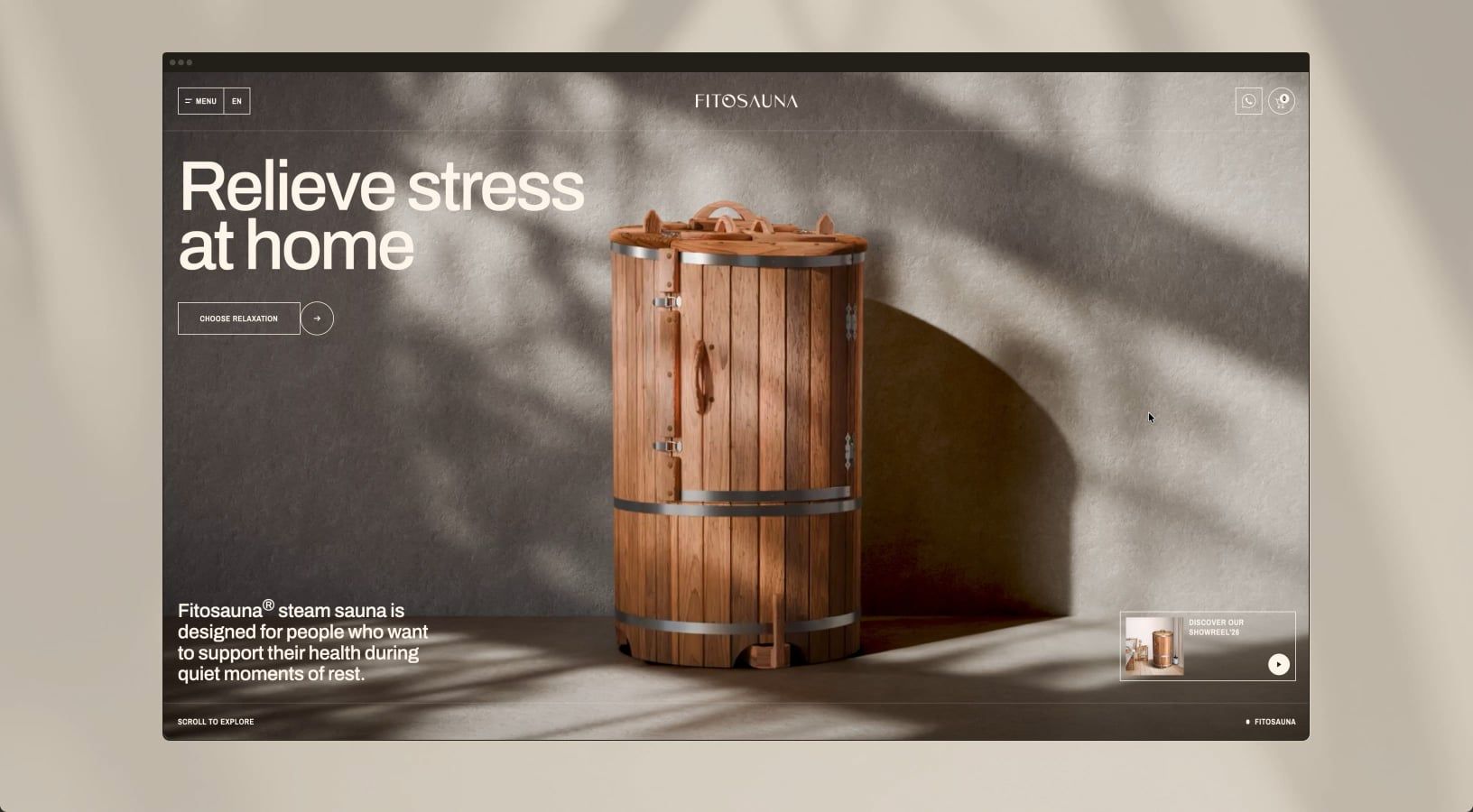
Bridging the trust gap for indoor saunas through web design
Fitosauna set out to become Europe’s go-to brand for indoor steam saunas—but first, they had to overcome a bigger challenge than competition: skepticism. As a healthcare website design agency, we redesigned the experience around trust, education, and product clarity.
From UX/UI to WordPress development, we built the website around one goal: answer objections early, simplify complex information, and make every interaction feel as effortless as the product itself.
Scalable digital experience that balances storytelling with conversion-focused design.
2
Website of the Day awards: FWA and CSS Design Awards
3
Core pages delivered (Home, Product Page, Landing Page)
1
Development solution used—made in WordPress

How a healthcare web design
agency cooks: processes explained
Qream doesn’t start working with design right away; we dive into business challenges. We break down your product, buyers, and trust gaps that slow decisions—and design a website around them.
We get a clear picture of your product, audience, and constraints, especially around compliance, internal stakeholders, and how your sales process works.
We define your messaging, differentiation, and trust signals. Then translate that into a visual system that fits your space and doesn’t feel generic.
We design a website that clearly explains your product, guides users step by step, and builds confidence without overwhelming them.
We develop a scalable, compliant site with performance in mind and CMS flexibility, so you can manage it without needing a dev.
What clients ask before
starting a design project
Healthcare web design projects fall between $20K and $150K, but the real variable is complexity.
A landing page for the app promo is one thing. A website with multiple audiences, compliance layers, and integrations is on a different level. The more complex your product is, the more pages your website needs—as well as a navigation, messaging, and UX strategy.
On average, a digital health website design project takes around 2 months to get from concept to launch. That usually covers everything in website production: exploring different visual directions, UI/UX design of key pages, responsiveness across devices, and development.
The timeline depends on complexity. Once you start dealing with more advanced features—custom development, animations, integrations, multiple user flows—it naturally takes longer to do it properly.
As a healthcare website design agency, Qream usually plans timelines around the product, not just the website. Simple marketing sites move fast. More complex MedTech platforms require longer production cycles so that the end result works in real-world conditions.
A healthcare website must include a clear product explanation, trust signals, and conversion paths. Here’s what else matters.
Credible websites should look professional, but “professional” isn’t about a cold attitude and photos of doctors with happy people. It should answer key questions: What is this? Who is it for? Why should a person trust it?
The real difference-maker is also experience. The best healthcare website design feels different, and that comes from strong positioning, clear messaging, and how you talk about your product. Most sites fail because of UI, and because they sound like everyone else.
You also need the basics done right: a clear explanation of your product, visible trust signals (certifications, partners, results), and conversion paths that match how healthcare buyers think (not just “book a call” buttons everywhere, but a journey that fits different levels of interest and trust).
When you choose a medical website design agency, look beyond visuals. A right vendor should understand how to explain complex products, how healthcare buyers think (procurement, risk, trust), and how to handle complexity without breaking UX.
If they only show pretty layouts, you’ll end up with a site that either looks good but doesn’t convert or drives trust.
The best medical website design reduces friction. That means clear structure, fast understanding of the product, and no unnecessary complexity. If users have to figure things out, the design is failing—especially in healthcare, where trust reads faster than creativity.
The second key thing is visual distinction. You can’t be remembered with a stock vibe, so the goal is to stand out with a UI direction that sets you apart from competitors. For instance, instead of default blue gradients and stock doctors, you can add custom illustration or character-led storytelling that reflects your approach.
Wellness app branding usually sells a feeling—energy, balance, lifestyle. Healthcare branding sells trust—credibility, safety, proof. The real challenge of branding is designing a system that can implement the emotion into comms.
In wellness apps, you can be more expressive: mascots in onboarding, playful micro-interactions, gamified progress, etc. It’s allowed to feel human and light, because users are there for habit-building and motivation.
Healthcare branding, on the other hand, has to hold more weight. It shows up in places where decisions feel serious: treatment explanations, product pages, clinical context, investor materials. Reliability matters more than playfulness, but that doesn’t mean boring—just intentional.


