A logo and two colors aren’t a brand guideline. More like a startup starter pack with commitment issues.
Real branding is built like an operational system. They help companies scale without every designer, marketer, sales rep, freelancer, regional office, and “creative intern who knows Canva” turning the company into a visual multiverse.
Here’s what separates companies that scale with consistency from those that slowly fall apart in comms.
The one-page guidelines trap
You know that founder (or maybe you are that founder) who opens a PDF generated by Claude or ChatGPT and proudly says, “Here’s our brand.” Seems cool, but you described a brand identity as a business card with ambitions.
And honestly, it can work for a while. When your company is basically 3 Notion docs, one stressed founder, and a freelance designer—sure, nobody notices the cracks.
But then the company grows. There are now 50+ people and multiple teams. Marketing is on track, sales prepare 10 decks weekly, and a recruiter posts on LinkedIn daily. Suddenly, at least 6 people are making brand decisions, and each of them thinks the brand is how they feel it.
That’s when things start mutating. You don’t realize your brand is broken until your LinkedIn post feels Gen Z chaotic while your website feels enterprise-dead inside, or your product screenshots use 3 different button styles in one carousel.
This is the one-page trap: the illusion that brand is a deliverable you check off, not a living system you build. Let’s see how you can fix that.
What breaks in brand guidelines when you scale
Before we get into solutions, let’s dedicate one more moment to the damage part. Because this isn’t just a design problem—it’s a business problem wearing a design problem’s clothes.
Pull up any thread on Reddit about brand consistency, and you’ll find the same war stories: regional teams doing whatever they want, a logo zoo spreading across a holding company, a PR team using a three-year-old font because nobody told them otherwise. Sounds chaotic? That’s the reality.
Most companies think guidelines are optional polish when they’re actually the bare minimum operating system. They exist so the company doesn’t have to reinvent itself every time:
- A new designer or a freelancer gets onboarded
- A new market opens
- A new ad format or deck template is needed
- Yada yada yada
And yes, building proper guidelines takes time. Think of it as an investment—for some managers, it might be the boring one, as nobody gets excited spending weeks documenting color behavior or motion principles.
But the alternative is significantly more expensive: constant revisions, inconsistent execution, slower production, and internal debates about changing logo proportions.
Are brand guidelines actually important? Well, obvi! Let’s look at the Marq Brand Consistency Report, because consistency is literally why brand guidelines exist in the first place.
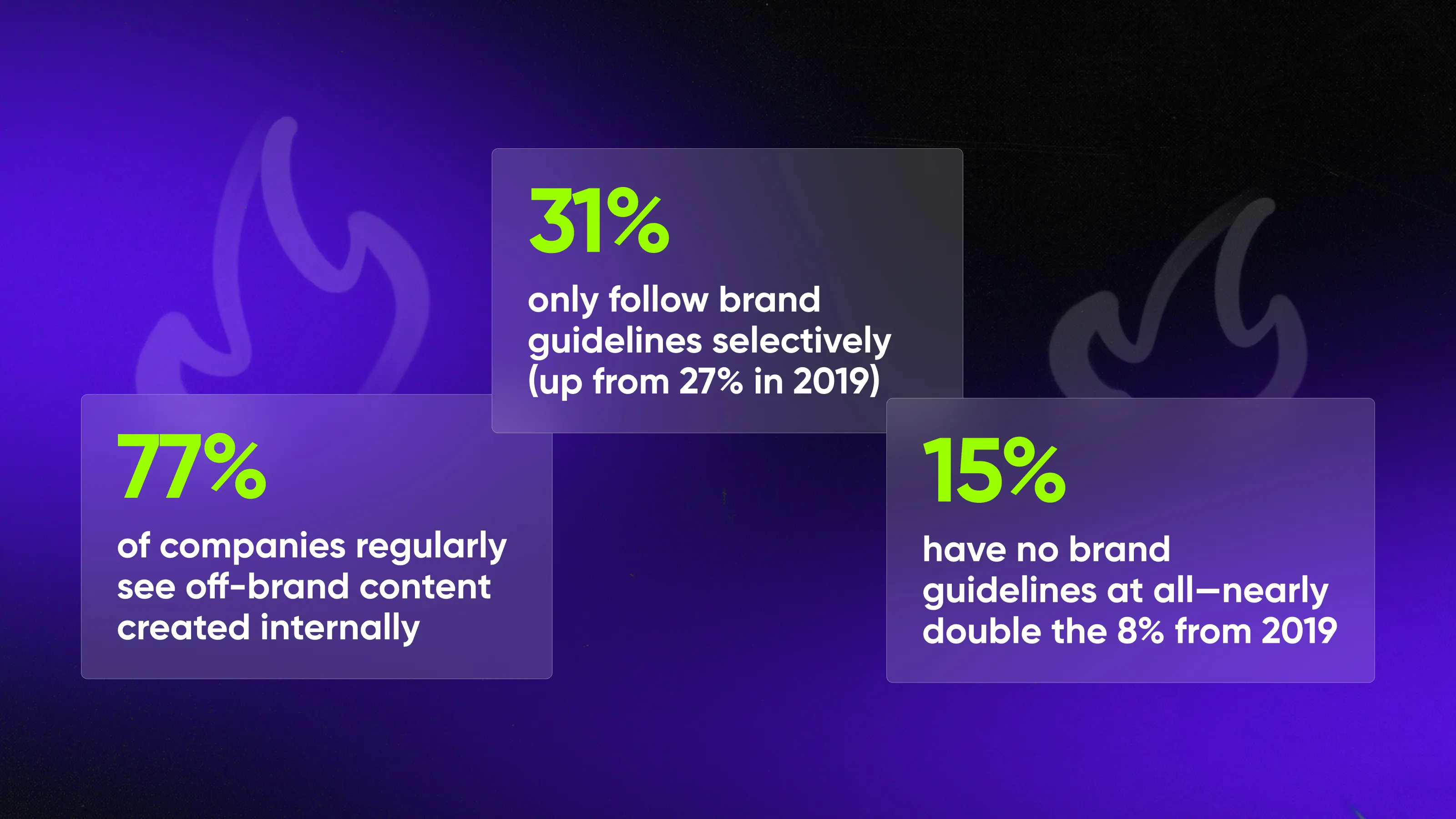
The key number: 77% of companies are actively producing off-brand content. Not freelancers, not external agencies—their own people. Only 30% of organizations have guidelines that are well-known and actually used by most of the org. The other 70% are flying blind and hoping for the best.
Inconsistency slowly erodes credibility. The companies that figured this out saw brand consistency directly lead to meaningful revenue growth. Not a vibe thing, but a money thing.
The same Marq report showed that 68% of companies said brand consistency contributed to 10–20% revenue growth.
You might ask, why? Because consistency reduces repeating actions: customers recognize you more quickly, teams produce assets faster, and—most importantly—thoughtful guidelines significantly shorten revision cycles.
What is inside a thoughtful brand system
A guideline shouldn’t stop at a PDF file crafted once your brand is launched. It’s a system that evolves with your brand.
The more thoughtfully the system is designed, the less your company operates on personal taste and random opinions. Because “I don’t like this shade of blue” is not a design direction—that’s just Steven from sales discovering subjectivity.
Pay attention to these five things that make your branding more advanced.
The brand core
This is the strategic foundation of who we are (product), who we are for (audience), why we exist (mission), and how we position ourselves (value proposition).
It also includes personality, tone of voice basics, messaging principles, and emotional territory. Or more things essential enough to put your comms on track. (BTW, deeper voice systems deserve their own dedicated guideline.)
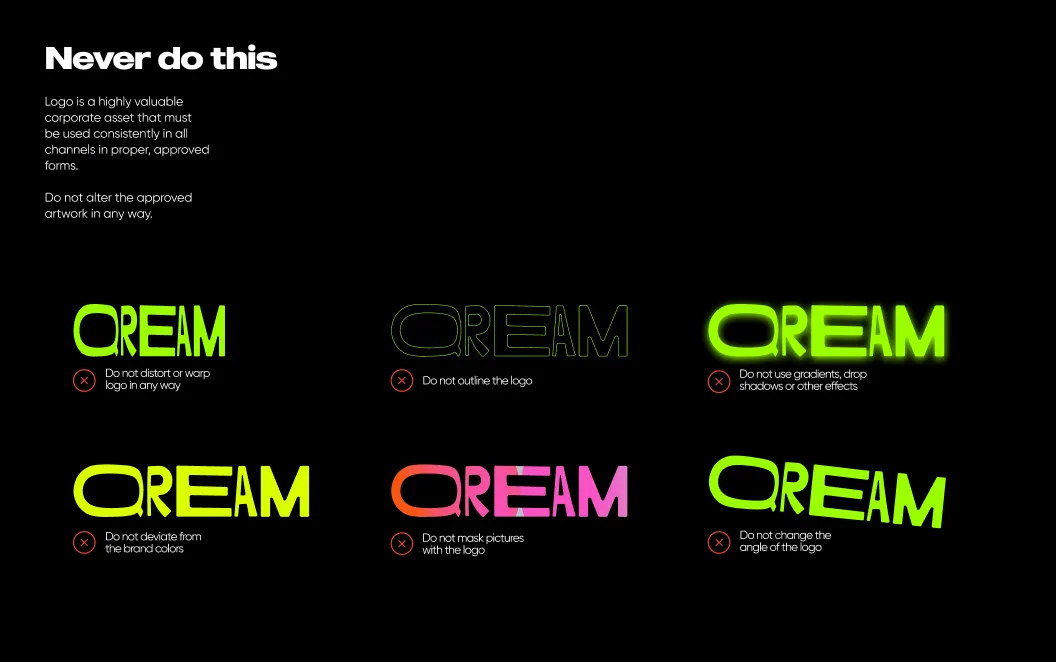
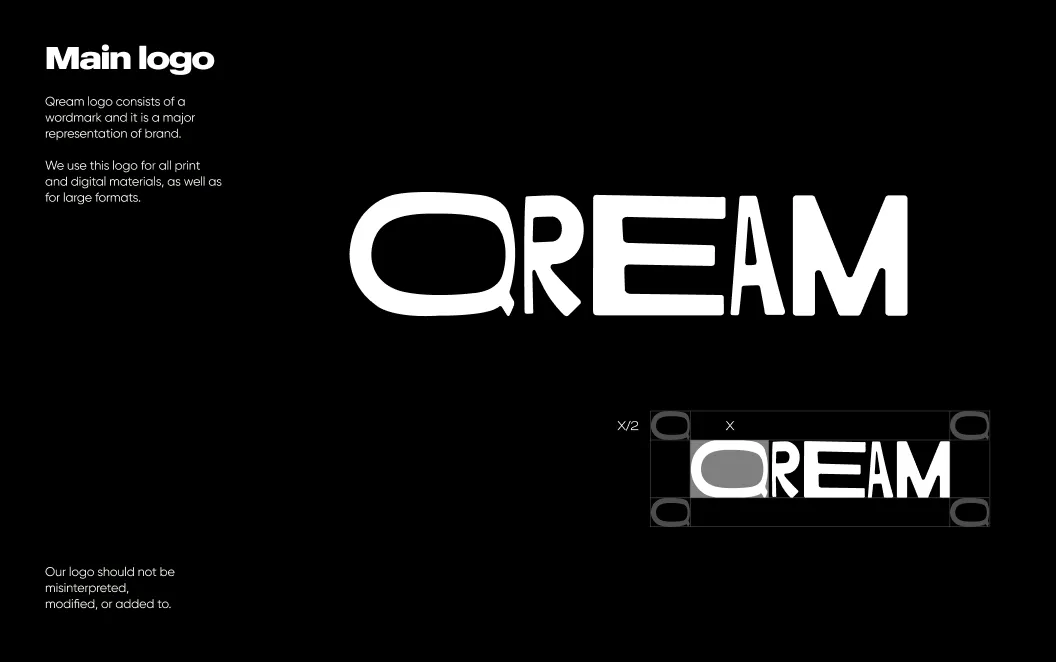
The identity layer
These are your atoms (everything else is built from them):
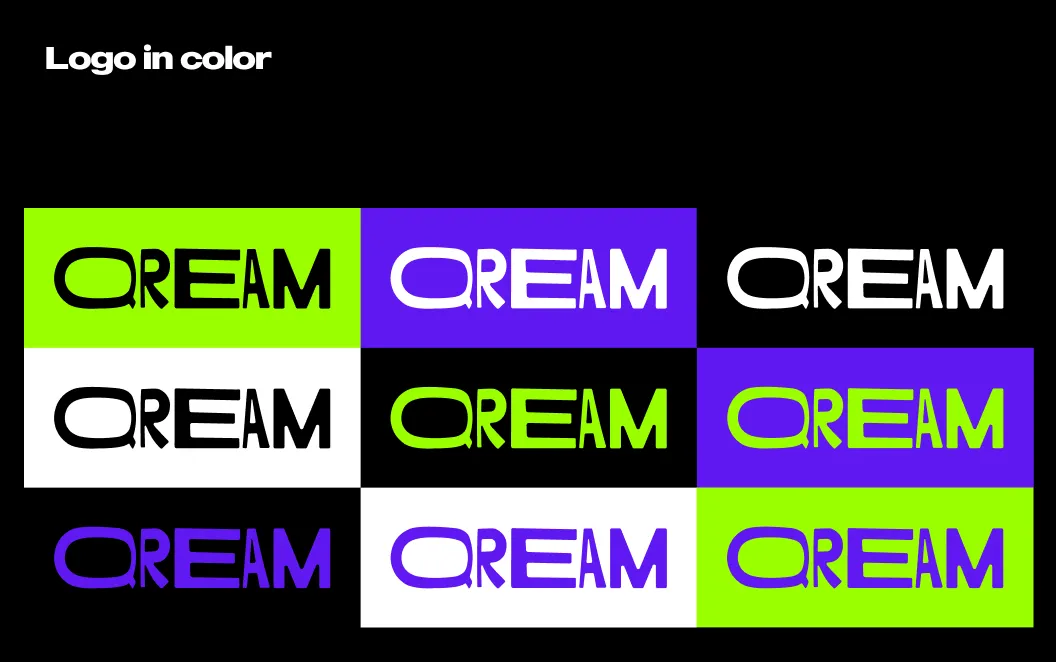
- A logo system (primary, icon, co-branded options)
- A color palette with primary, secondary, and functional shades
- A typographic hierarchy that covers display, body, UI contexts, etc.
All backed up with spacing rules, dos and don’ts, and sources for designers.
The graphics layer
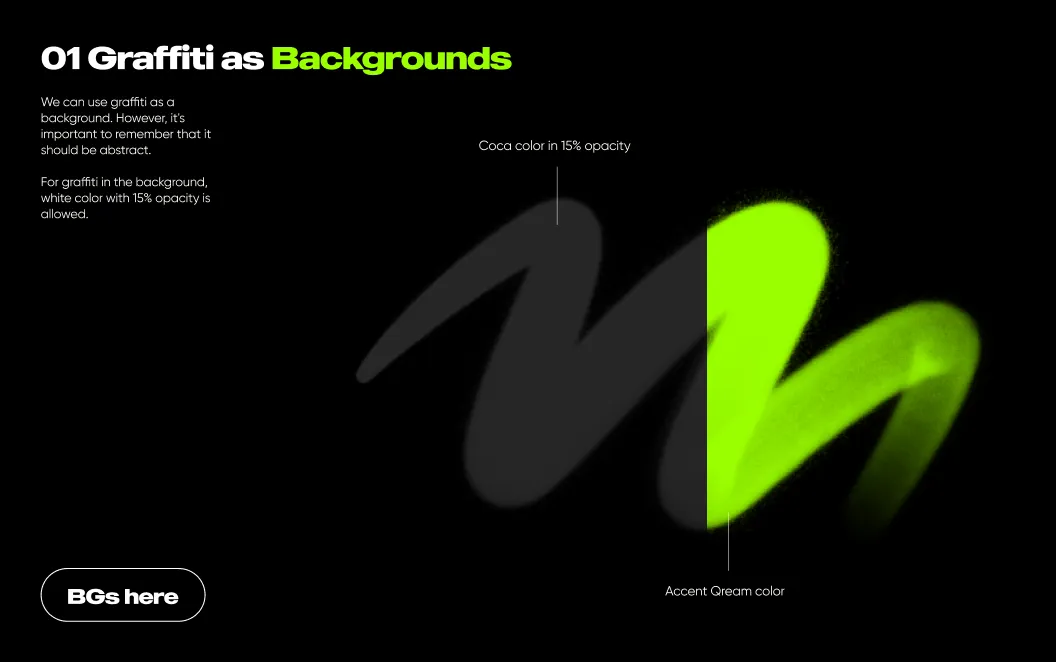
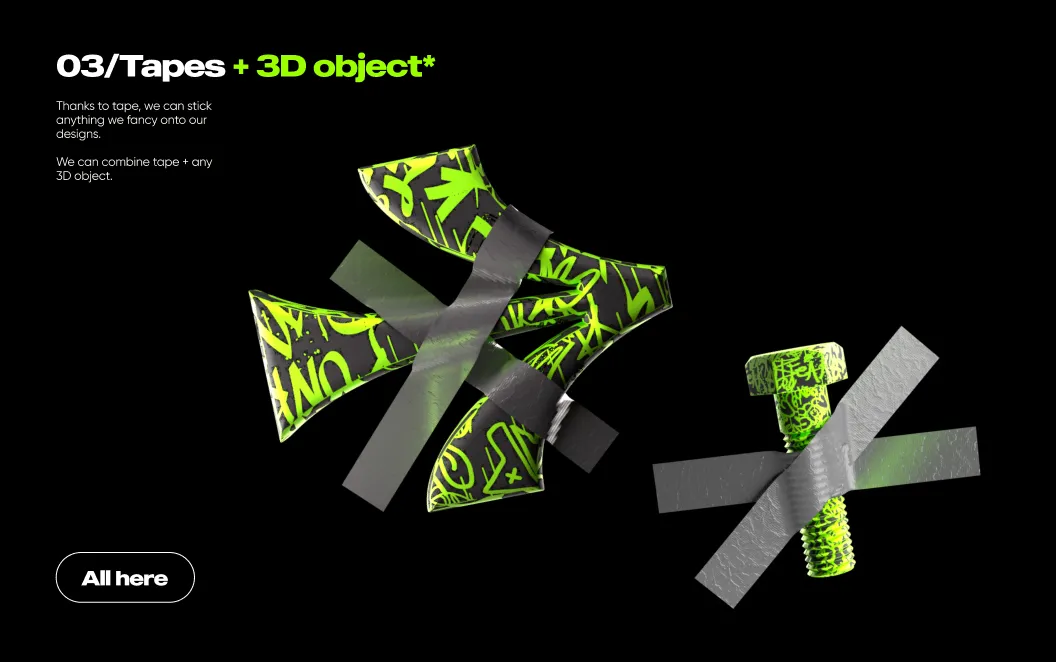
These are the assets that make brands stop looking generic. What’s nice to have:
- Icons (2D or 3D)
- Illustrations library
- Textures, patterns, and gradients
- Mascot variatives
- Photo treatment
Without a graphics system, teams start downloading random illustrations from stock, and suddenly, your fintech startup looks like a mockup from 2017.

The motion layer
The motion guideline is becoming increasingly non-negotiable, especially for digital-first brands. It includes rules for how elements enter the screen, how fast transitions occur, and which types of animations reflect the brand personality.
Because motion communicates emotion, whether companies intentionally design it or not. Without motion principles, every team defaults to whatever animations Figma exported. And that feels messy each time.
The application layer
This is the stuff people actually use: templates, component libraries, presentation structures, do/don’t examples, etc.
And honestly, this layer matters more than inspirational moodboards ever will. Good systems prevent chaos not by controlling teams, but by making the correct option the easiest option. Having one like this gives regional teams reusable tools and prevents them from going rogue.
What makes brand guidelines more adaptive
Theory is fun, but examples hit different. Here are a few ways Qream strengthens brand systems.
Motion section that enables execution
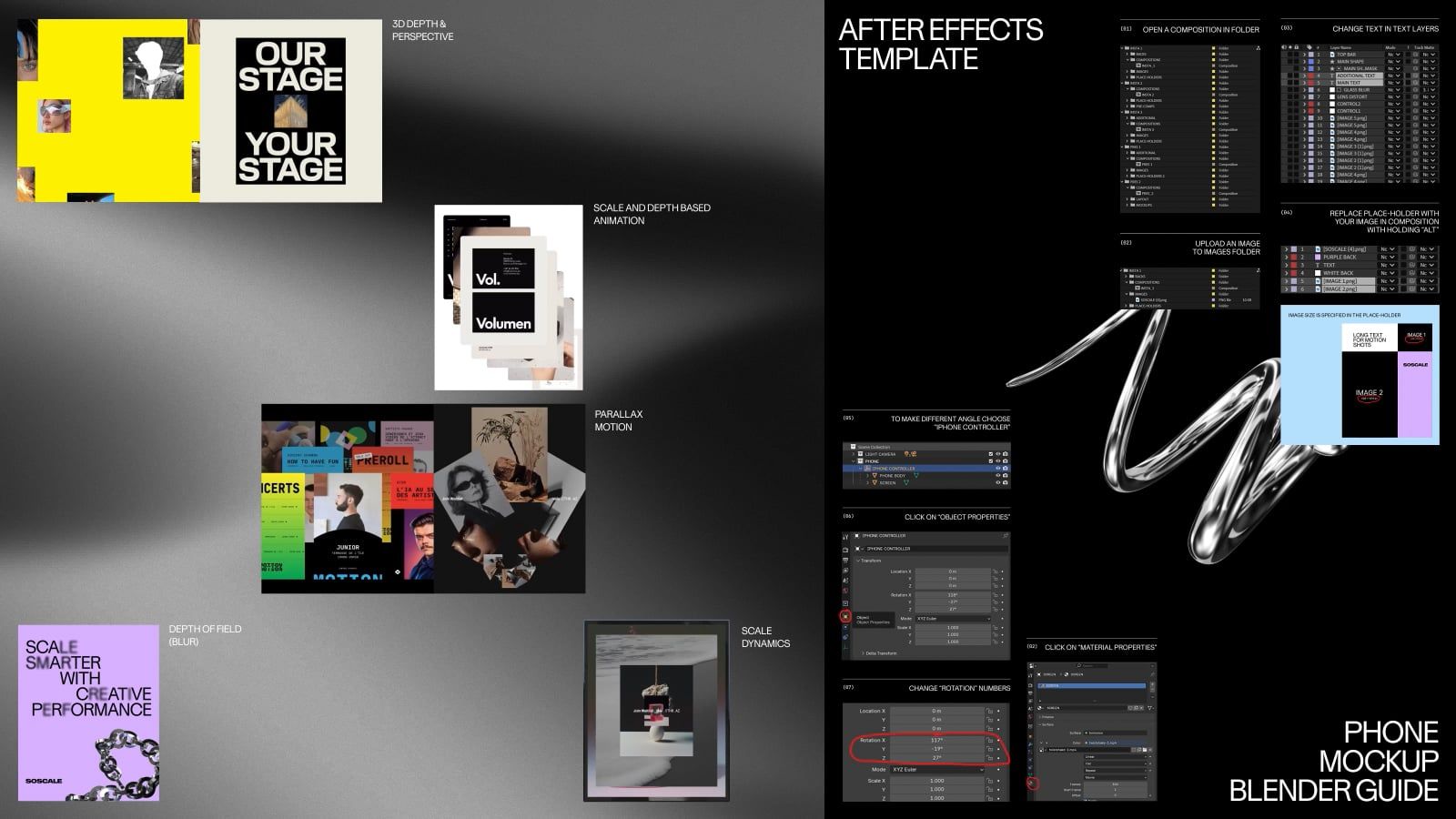
Detailed motion guidelines enable teams to create consistent animation behavior without reinventing everything from scratch each time. For SoScale (performance creative agency), we built the motion system around the idea of scale itself.
We included Blender files, setup examples, and step-by-step instructions. Their motion designer didn’t use Blender yet, but SoScale wanted motion consistency anyway, so we secured the quality later.
Detailed mascot systems
Mascots are deceptively dangerous. Because once teams start drawing them inconsistently, they become fragmented visual elements, not the story that unites the whole brand.
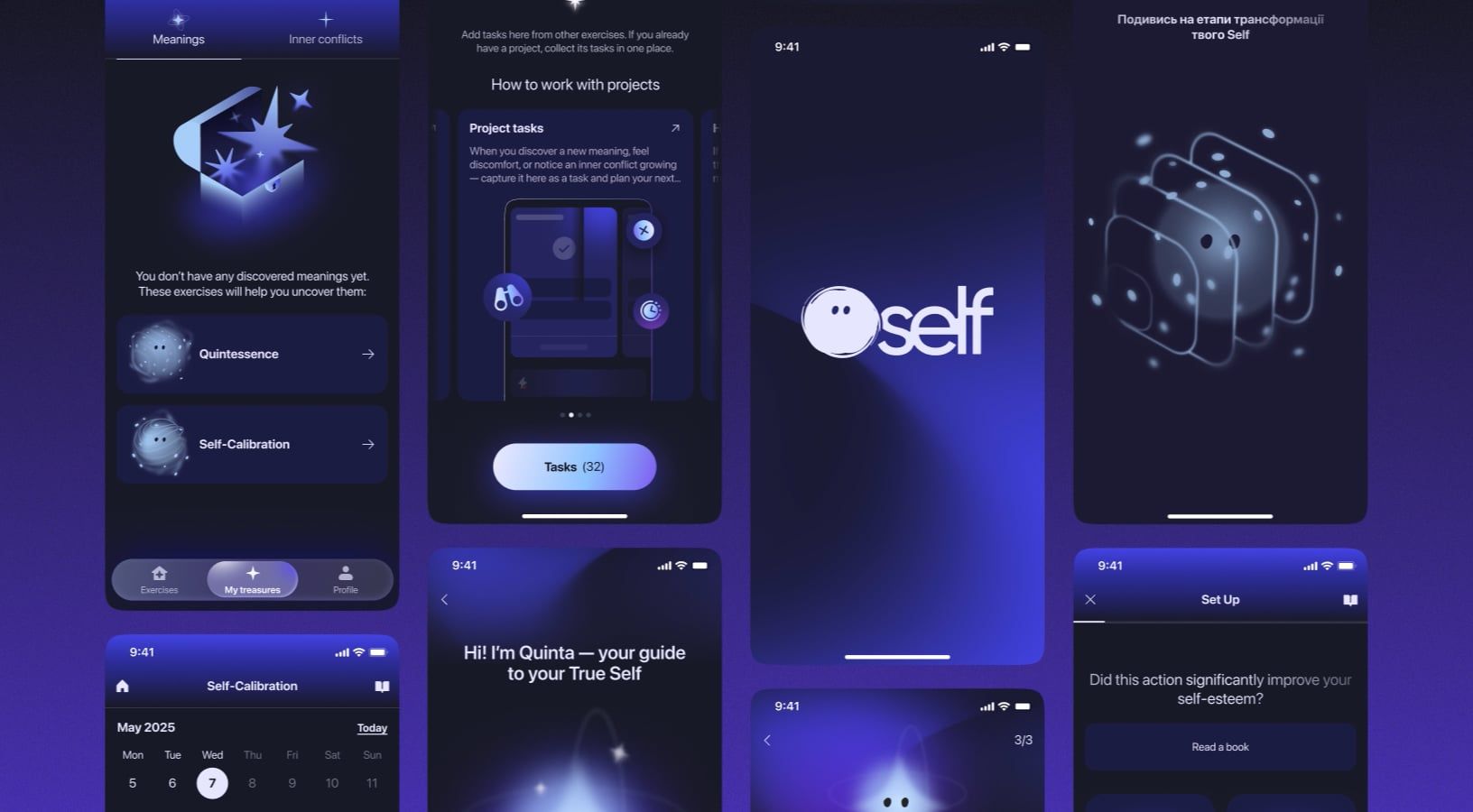
For Self App—a psychology-inspired app—we created mascots that personify emotional states throughout the exercises, serving as emotional translators within the product. In the guideline, we documented all mascot states, proportions, emotional expressions, usage contexts, forbidden adaptations, and interaction logic.
This approach guarantees the mascot won’t disrupt the brand story, no matter who applies it on socials, in the app, or on the website.
Digital templates that teams can use
Guidelines can either show examples or become operational tools. The second one scales better.
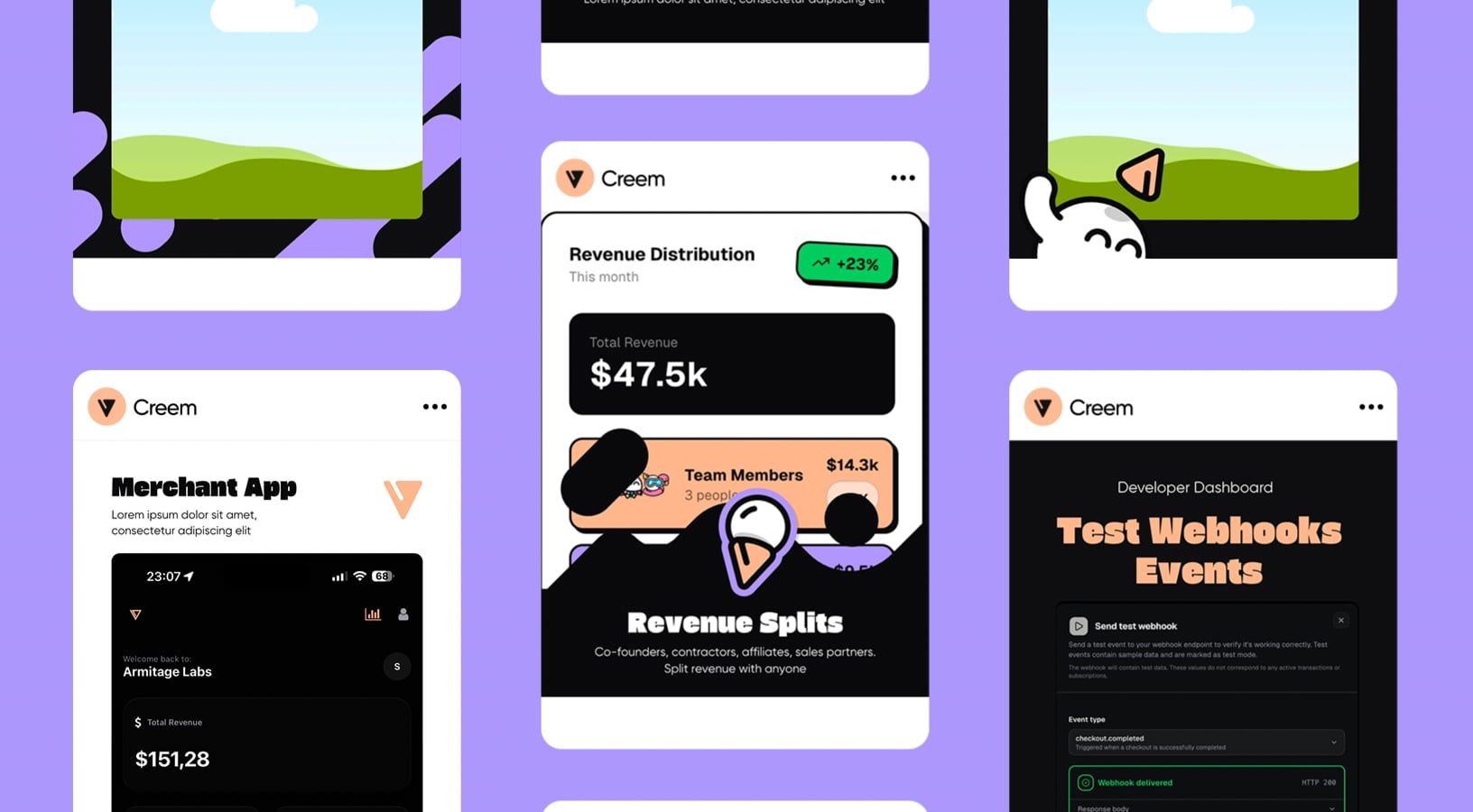
For fintech product Creem, we designed a ready-to-use asset ecosystem. Their team already worked inside Canva daily, so instead of forcing some “designer-pure” workflow, we optimized the system around reality. We delivered a Canva brand kit, reusable layouts, icon systems, editable templates, and even a mascot constructor to help Creem move fast and stay on-brand.
The governance problem of brand guidelines
Let’s talk about the logo zoo. Imagine a holding company with six branches, each doing its own thing and convinced they’re “on brand” because they used some version of the approved colors. Meanwhile, the parent brand looks like a hostage situation.
Governance is the unsexy layer that makes everything else work. And many brand guidelines (even the good-looking ones) skip it entirely. Yet many things fall apart without it—maybe you have one of the following problems?
Problem 01. No approval path for adaptations
Regional teams, agencies, and partners will always need to adapt brand assets for their context. Without a clear process for requesting and approving those adaptations, they’ll just do it anyway, and you’ll find out when it’s already live (and looks controversial).
Problem 02. No owner for brand decisions
When a brand doesn’t sit with one clear decision-maker (or a defined group), every exception becomes a negotiation. Teams start making calls that compound over time into something unrecognizable.
Problem 03. No onboarding for new markets or partners
Expanding into a new country? Signing a co-marketing deal? Without a brand onboarding process, you’re just hoping the other party reads the PDF. Spoiler: they won’t. Or they’ll read it briefly and still do their own thing.
Problem 04. No version control
Brand evolves, so logos get refined, palettes get updated, and tone shifts as the company matures. Without governance, old assets live forever. The 2021 logo still shows up in sales decks in 2024 because nobody told anyone it had changed, and the old Dropbox link still works.
A quick gut-check: is your brand ready for scale?
Every company scales differently: suddenly grows from 10 to 50 people, expands into new markets, starts working with multiple agencies, and gets acquired, realizing half their brand knowledge lived only in one designer’s head.
There’s no universal brand system, but there are common pressure points where weak guidelines start to fall apart. Qream crafted a simple gut check to see whether your brand is built for growth or just functioning well enough in the chaos.
01 Can a freelancer create an on-brand asset without 10 iterations with your Design Lead/Marketing Manager?
02 If your Brand Manager/Marketing Manager/Head of Design left tomorrow, would the company lose institutional knowledge overnight?
03 Can a new employee realistically understand the brand identity application in under a week, or are they expected to absorb it through feedback?
04 If you got acquired tomorrow, is the documentation solid enough for another company to operate your brand correctly?
05 Can regional teams adapt campaigns confidently without improvising the identity/visual direction?
06 Is there a single source of truth for assets, templates, logos, and updates that people genuinely use?
07 Do your systems optimize for real workflows, or for some fantasy when different teams use different tools (marketers prefer Figma, some designers operate in Illustrator, etc.)?
08 Would your brand still feel recognizable if your logo disappeared for a week?
09 Do teams give feedback based on their feelings, or do they rely on policies?
Summing up: the truth nobody likes to say out loud
When companies scale, they face a systems problem that pretends to be a branding problem. They think consistency comes from hiring better designers or doing one expensive rebrand every four years—in fact, it depends only on operational clarity.
The global brands that you see now, like McDonald’s, Notion, or Spotify, are strong because their guidelines make alignment easy. The real power move is documentation—it might be boring, but systems build iconic brands.
Here is your next step: open your current guideline, take off rose-colored glasses, and follow the gut-check. Think about whether your current system could survive a company twice your size. If the answer is uncertain, your brand probably isn’t a system yet.
Written by

Brand strategy | Content systems | UX writing
Builds messaging systems that connect positioning, product value, and audience needs. Reviews content through the lens of brand clarity, tone of voice, UX writing, creative concepts, and digital distribution.
Reviewed by

Qream co-founder | Business growth and strategy
Leads Qream's business development and commercial strategy, bringing experience across sales, customer support, and complex digital projects. Reviews topics around project scoping, agency engagement, strategic partnerships, and growth.